

Financing for this ambitious endeavor will be sourced from the central government in collaboration with key developmental stakeholders across the health sector.
DODOMA. THE Tanzanian government, through the Tanzania Engineering and Manufacturing Design Organization (TEMDO), is poised to inaugurate a state-of-the-art 20bn/- worth specialized factory dedicated to the production of critical medical equipment in Dodoma, the nation’s capital.
This strategic initiative is designed not only to alleviate the government’s burgeoning expenditure on imported medical supplies, but also to enhance the accessibility and availability of essential medical apparatus within domestic hospitals and healthcare centers.
The project’s unveiling came during an exclusive interview with Eng. Honest Lyaruu, TEMDO’s Engineer for the Department of Research, Innovations, and Technological Development. He underscored the sixth-phase government’s concerted efforts to elevate healthcare sector performance, which has precipitated a marked increase in hospitals and health facilities nationwide—thereby intensifying the demand for vital medical equipment.
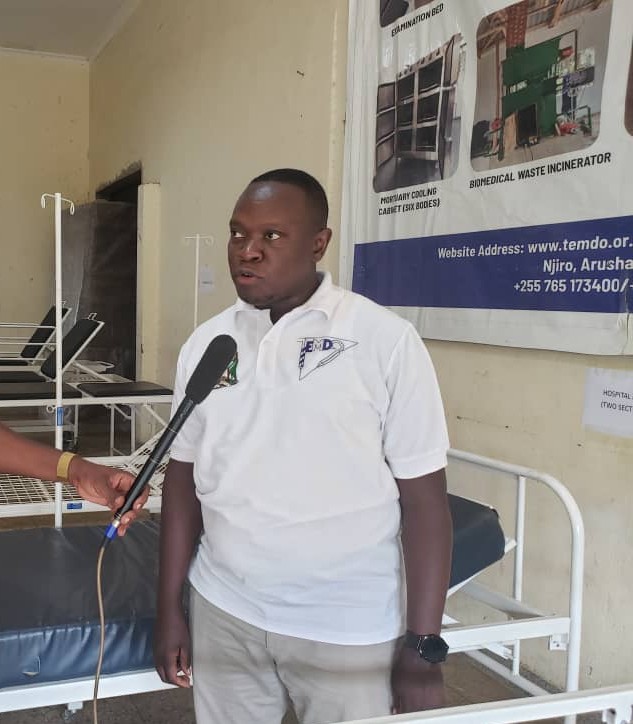
Eng. Honest Lyaruu, TEMDO’s Engineer for the Department of Research, Innovations, and Technological Development.
Financing for this ambitious endeavor will be sourced from the central government in collaboration with key developmental stakeholders across the health sector, Eng. Lyaruu elaborated.
“The government has already allocated sufficient land in Dodoma for the establishment of the manufacturing plant, and we are currently progressing through processes to secure the requisite funding,” he stated.
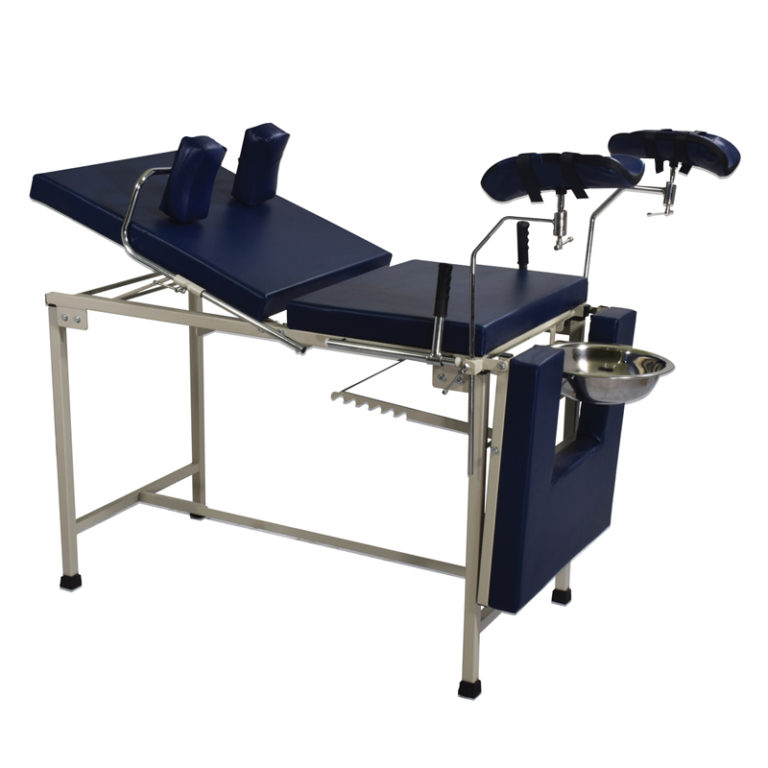
Continuing the momentum, TEMDO remains steadfast in executing concurrent projects focused on the fabrication of a diverse array of medical equipment, including hospital beds of various types, drip stands, bedside lockers, examination tables, mortuary facilities, and incinerators.
Initiated in 2021 with the financial backing of the central government, the project has significantly bolstered domestic production capabilities. To date, it has successfully manufactured 26 varieties of medical equipment, with 16 of these products having attained certification from the Tanzania Medicines and Medical Devices Authority (TMDA).
These certified products are currently deployed across prominent healthcare institutions nationwide — spanning regional referral hospitals, district hospitals, health centers, and dispensaries.
Notably, a substantial proportion of the raw materials utilized originate from within Tanzania, thereby concurrently stimulating the country’s iron and metal manufacturing industries.
Eng. Lyaruu highlighted TEMDO’s emergence as the sole national manufacturer of mortuaries. “Previously, Tanzania imported morgues primarily from China, the USA, and Egypt.
Through this project, we now produce mortuary facilities tailored to Tanzanian specifications, with capacities ranging from accommodating one to 24 bodies, based on client requirements,” he explained.
In executing the project, TEMDO, which operates under the Ministry of Industry and Trade, collaborates closely with both the Medical Store Department (MSD) and the Tanzania Medicines and Medical Devices Authority (TMDA).
Furthermore, the initiative extends to providing crucial rehabilitation services for dilapidated medical equipment across various hospitals, thereby contributing to the sustenance and efficiency of the healthcare infrastructure.
The establishment of this manufacturing hub marks a pivotal step toward ensuring self-reliance in medical equipment provision and fostering industrial development within Tanzania.
ABOUT TEMDO
Tanzania Engineering and Manufacturing Design Organization (TEMDO) is Tanzania’s national institution for engineering research, design, and technology development, established by Parliament Act No. 23 of 1980 and operating under the Ministry of Industry and Trade, based in Arusha.
Its mission is to research, develop, and transfer plants, equipment, and technologies for local manufacturing, providing technical support and training to boost industrial competitiveness, with services including designing medical equipment, biofuel processors, and other industrial machinery.
About The Author