







The visit, which underscores Tanzania’s maturation in its nuclear programmes, began in the capital, Dodoma, with meetings at the Ministry of Foreign Affairs and East African Cooperation.
ARUSHA, Tanzania: A HIGH-LEVEL delegation from the International Atomic Energy Agency (IAEA) is set to visit the Arusha- based Nelson Mandela African Institution of Science and Technology (NM-AIST) tomorrow, February 4, 2026, marking a significant chapter in Tanzania’s strategic partnership with the global nuclear body.
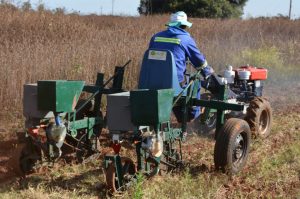
The visit will spotlight the progress of the innovative ‘Green House for Beans’ project (RAF5059), which employs nuclear techniques to enhance legume crop yields, directly targeting food security and income for smallholder farmers.
Led by Mr. Gashaw Gebeyehu Wolde, IAEA Deputy Director General and Head of the Department of Technical Cooperation for Africa, and Ms. Azza Kashlan, Programme Management Officer, the delegation is hosted by Professor Najat Kassim Mohammed, Director General of the Tanzania Atomic Energy Commission (TAEC).
The visit, which underscores Tanzania’s maturation in its nuclear programmes, began in the capital, Dodoma, with meetings at the Ministry of Foreign Affairs and East African Cooperation.
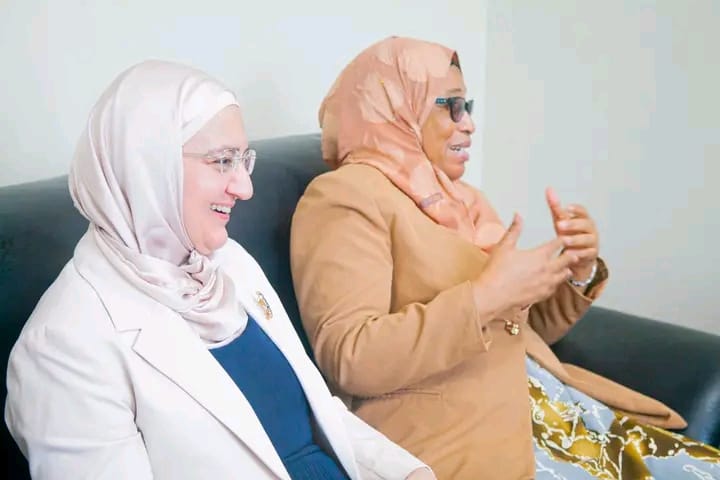
The delegation held talks with the Permanent Secretary, Ambassador Dr. Samweli William Shelukindo, focusing on the implementation of various cooperative projects in industry, health, education, and agriculture.
Further discussions were held at the Ministry of Education, Science and Technology with the Deputy Permanent Secretary, Professor Daniel Mushi.
The talks centred on Tanzania’s role in the international nuclear cooperation framework for sustainable development and the advancement of IAEA-supported educational programmes.
These initiatives aim to expand the cadre of medical physicists to strengthen the country’s cancer care services.
Professor Mushi highlighted the long-standing and fruitful cooperation with the IAEA through the Technical Cooperation Programme.
He presented a forward-looking proposal for the next phase of partnership, which includes ambitious national priorities.
The priorities included supporting Tanzania in integrating nuclear and atomic technologies into its long-term electricity generation and distribution plans.
Others are strengthening and modernising school and higher education curricula in nuclear science and related fields, developing and enhancing laboratory infrastructure and technical capacity.
Also the priorities touches the areas of expanding energy resources to meet national growth demands, and continuing technical guidance for the safe and responsible use of nuclear technology.
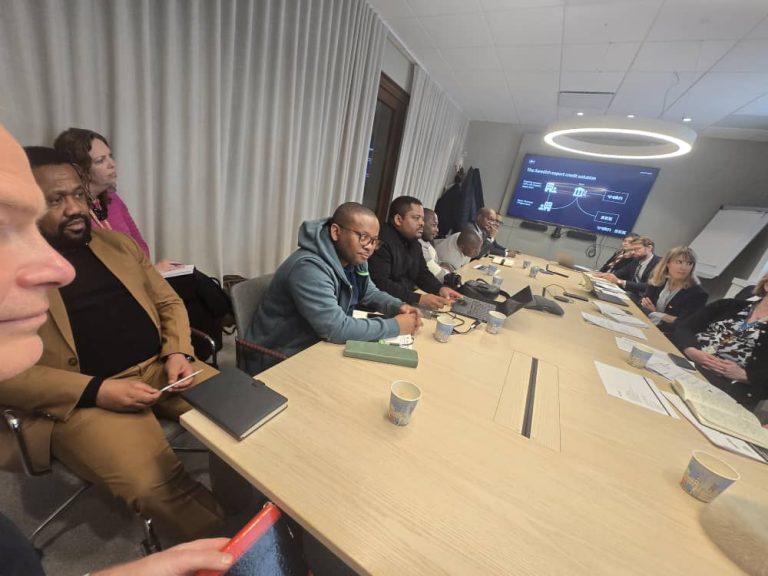
During the long- held roundtable talks, key emphasis was placed on cooperation in systems and infrastructure.
These include, feasibility analysis for the potential deployment of Small Modular Reactors (SMRs), expansion of cancer radiotherapy services to other regions.
However, promoting nuclear technology in food and agriculture and enhancement of security, safety, and radioactive waste management facilities were among the top topics discussed.
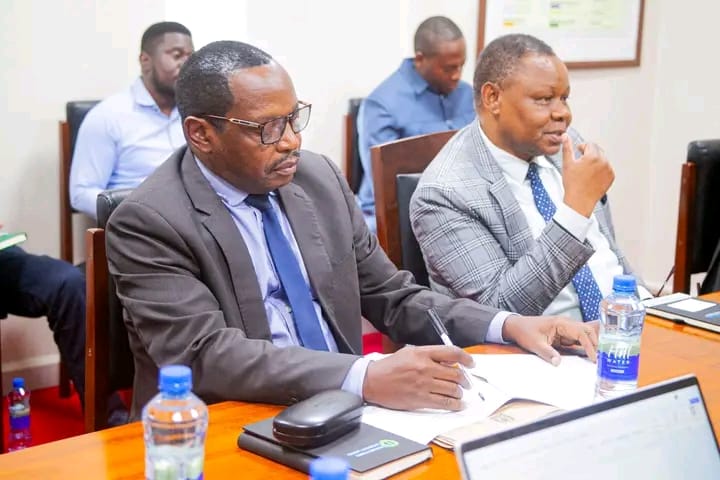
Mr. Gashaw commended the proposals, affirming the IAEA’s continued partnership. He noted that Tanzania has evolved from a long-term beneficiary to a mature partner, now poised to become a “Regional Hub” for building specialised technical capacity.
The delegation also visited the Ministry of Energy, meeting with Permanent Secretary Engineer Felichism Mramba.
Discussions focused on milestones achieved in Tanzania’s journey towards establishing a nuclear power project, a critical step for diversifying the nation’s energy mix with clean and secure sources to fuel economic development.
This visit powerfully reaffirms the Tanzanian government’s commitment to advancing international cooperation for the safe and sustainable application of nuclear technology.
Through these multifaceted projects, Tanzania is strategically working to bolster healthcare services, cultivate a skilled scientific workforce, transform agricultural productivity, and lay the groundwork for a nuclear-energy-powered future.
About The Author