


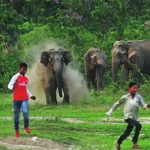
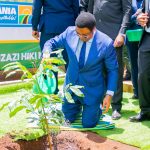

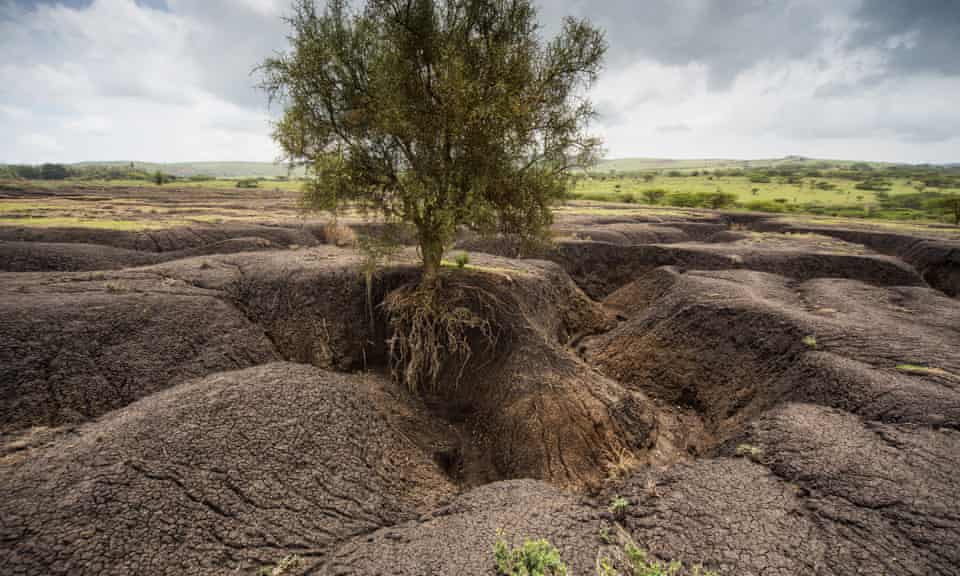
The Training Aimed To Help Member Countries To Strengthen The Systems Of Verification Of Environmental Restoration Information And Lay A Solid Foundation For Land Management In Africa.
SALIMA, MALAWI. TANZANIA, through the Tanzania Forest Service (TFS), has joined other African countries in an international workshop that discussed new methods to measure and monitor the level of carbon dioxide absorbed by trees growing outside forests, known as Trees Outside Forests (TOF).
The two-day workshop, December 2 to 3, 2025, was held at Sigelege Hotel, Salima in Malawi under the coordination of Michigan State University (MSU), in collaboration with colleges and research institutions from Malawi, Senegal and the United States.
In the timely- forum, Tanzania was represented by two conservationists from TFS, Mr. Rogers Nyinondi and Mr. Jameseth Lazaro, who were invited due to TFS’s position to coordinate the implementation of the national plan to restore natural vegetation through the African Forest Landscape Restoration Initiative (AFR100).
Through the program, Tanzania has promised to restore approximately 5.2 million hectares of degraded areas by 2030.
The vital development was communicated to ‘SEMA NEWS’ by the TFS Senior Conservationist, Mr. Rogers Nyinondi.
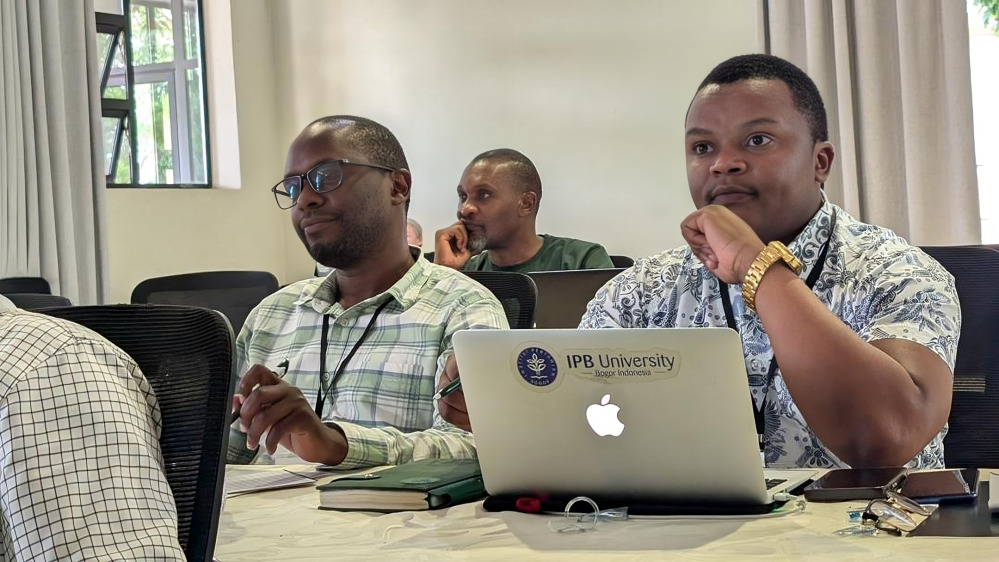
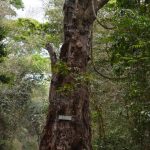
He noted that Tanzania’s participation in the forum has helped to increase professional understanding about the contribution of trees outside forests, including agroforestry in reducing the effects of climate change.
” The helpful methods and skills we have acquired during the workshop will assist us to improve the collection of carbon data, strengthen policy planning and increase the effectiveness of the implementation of land restoration projects in various areas of the country,” he said.
The training, Mr. Nyinondi added, aimed to help member countries strengthen the systems of verification of environmental restoration information and lay a solid foundation for land management in Africa.
According to him, during the meeting, the Chief Instructor from Michigan State University (MSU), Prof. David Lskole, said the workshop was designed to provided a major technical step in monitoring carbon dioxide using high-resolution satellite remote sensing technologies, deep machine learning and allometric scaling models, methods that enable identifying and measuring individual trees in thousands of hectares.
The workshop has brought together scientists and experts from Rwanda, Kenya, Tanzania, DRC, Senegal, India and Malawi, as well as AFR100 stakeholders, to discuss the development of an international project sponsored by MSU.
About The Author