










Summary
With this year’s International Forest Day scheduled for national observation in the southern zone, TFS in the zone is working to ensure forest reserves are developed in a way that contributes a reasonable share to the country’s economy.
MTWARA: TANZANIA has recorded a significant increase in the number of traders venturing into forest-based businesses in the southern circuit.
This impressive growth over the past two consecutive years (2024/25 and 2025/26) reflects the success of various government initiatives aimed to heighten production and productivity in the forest sector across the Mtwara, Lindi, and Ruvuma regions.
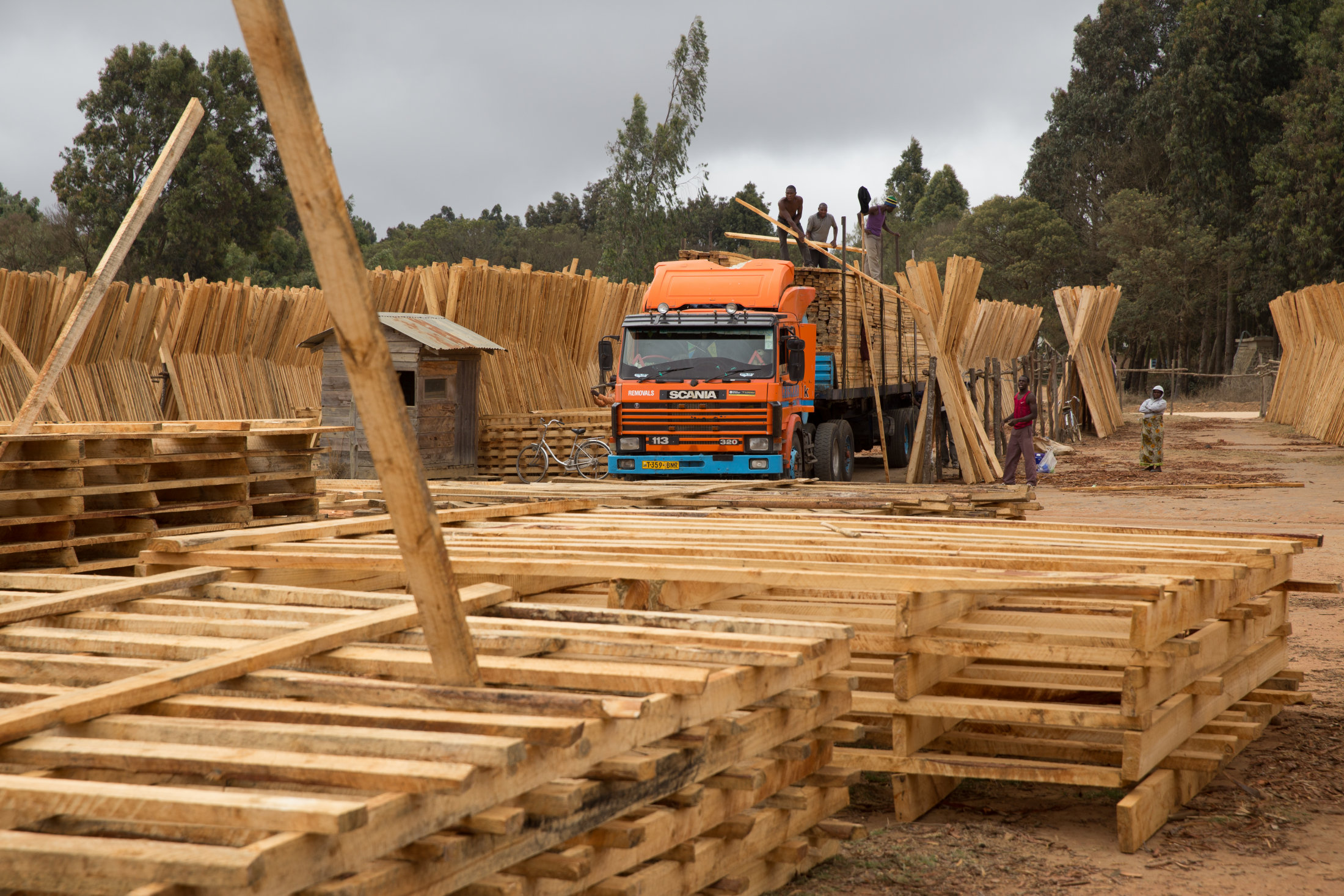
Mr. Dismas Mrwana, the Tanzania Forest Service (TFS) Licensing Officer for the southern zone, informed the press that a total of 1,694 stakeholders obtained permits to conduct various forest product businesses during the 2024/2025 period.
“Furthermore, from July 2025 to March 3, 2026, we have registered 2,199 stakeholders who are currently active in the sector. This represents an increase of approximately 130 percent compared to last year’s figures,” he stated.
He added that his department continues to receive and register more traders and is highly optimistic that the numbers will climb even further.
Highlighting further successes in the zone’s economic sector, Mr. Mrwana revealed that during 2024/25, the agency licensed at least 3,022 stakeholders to harvest various forest products across the regions.
“From July 2025 to March 13 this year, a total of 6,898 licenses have been issued to various traders, which is an increase of 228.8 percent,” he said.
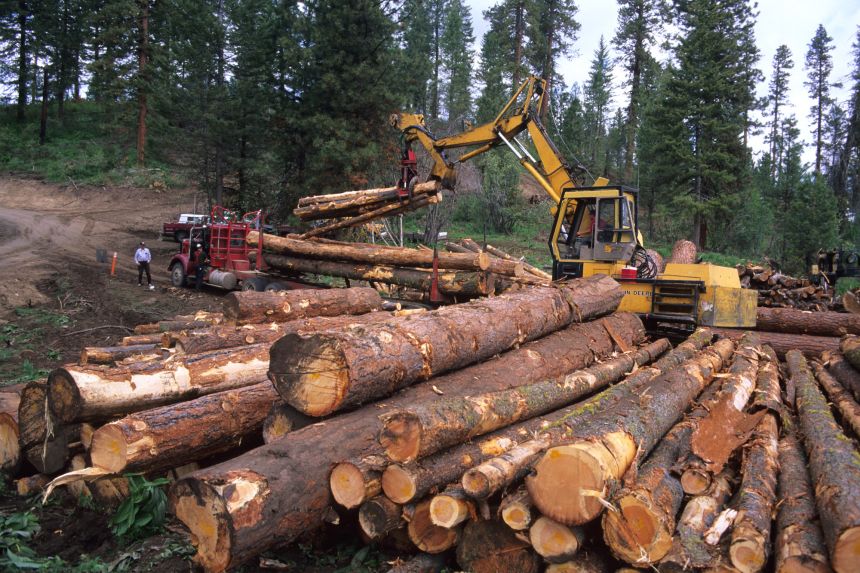
As the issuance of these licenses continues, Mr. Mrwana noted that TFS remains vigilant in ensuring the effective management of all forest resources in the zone.
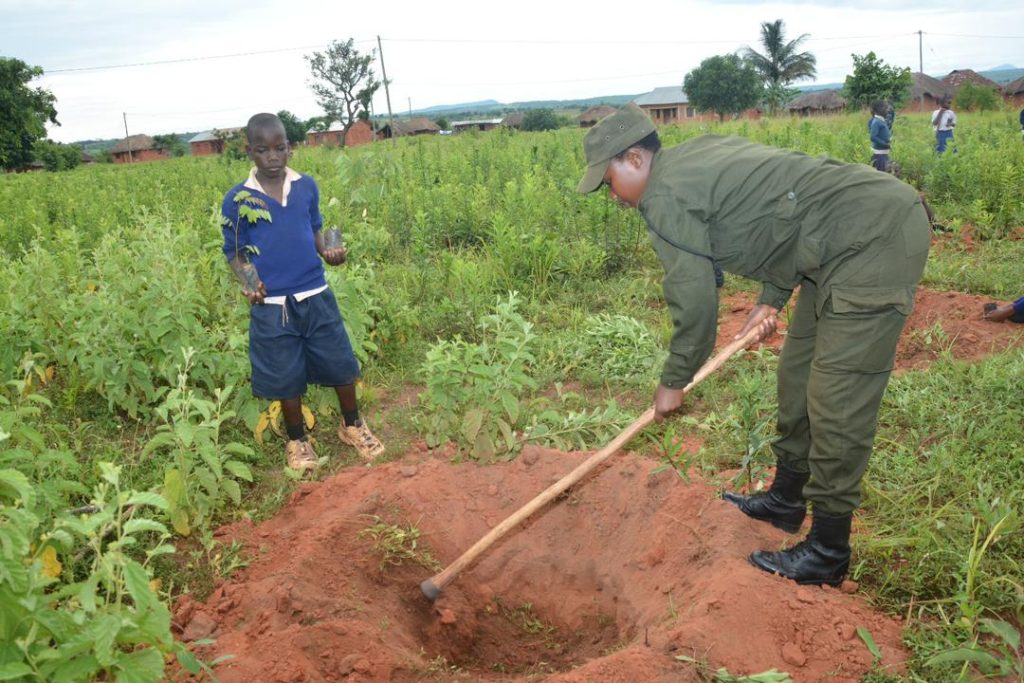
“Beyond conducting professional patrols to prevent forest destruction and illegal logging, we are also at the forefront of running public awareness campaigns and practical tree-planting clinics,” he emphasized.
According to him, the main focus is to ensure the sustainability and prosperous growth of both natural and plantation forests, while continuing to provide key economic opportunities for more Tanzanians to enter the sector and benefit from it.
In further efforts to monitor the trade, including the harvesting and transportation of forest products, he noted that TFS has installed a tailor-made cloud-connected system.
Dubbed the “Forest Resources Management Information System” (FOMIS), he said the system also promotes accountability and transparency among all players involved in the key trades.
“Together with that, TFS has installed a number of checkpoints to ensure traders conduct their business as per the set regulations and standards,” he added.
Moreover, he explained that stakeholders must meet a number of criteria and undergo a process before being permitted to venture into forest resource trades.
“For instance, to be licensed to harvest and transport forest products, applicant traders normally undergo a special vetting exercise by TFS officers and the relevant district tree harvesting committees,” he detailed.
After the vetting, the district tree harvesting committees, often chaired by district commissioners, are mandated to approve the names of those cleared for the trade, he added.
With this year’s International Forest Day scheduled for national observation in the southern zone, TFS in the zone is working to ensure forest reserves are developed in a way that contributes a reasonable share to the country’s economy.
The three-region zone, comprising 15 districts in Tanzania’s southern regions, and TFS continues to strengthen its role in supporting sustainable forest-based economic growth.
The International Day of Forests is celebrated every year on March 21 and represents an important opportunity to reflect on the vital role forests play across the globe.
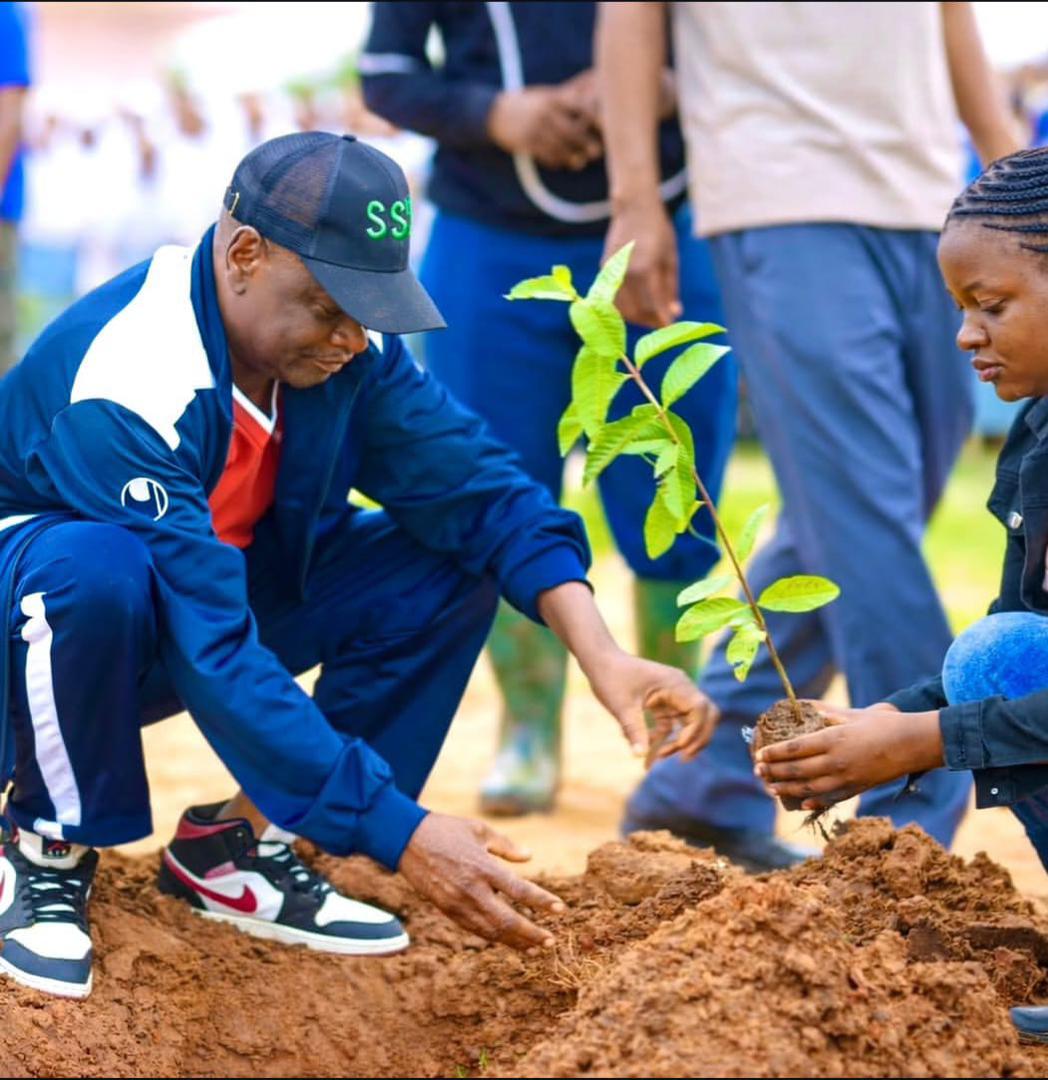
Established in 2012 by the United Nations General Assembly, the Day aims to highlight the essential contribution forests make—not only in providing timber and non-wood forest products (such as berries, mushrooms, resins, and more), but also in delivering key ecosystem services, including erosion control, biodiversity conservation, climate regulation, and supporting the livelihoods of hundreds of millions of people.
The theme for the 2026 International Day of Forests is “Forests and Economies.”
Forests support livelihoods, create jobs, reduce poverty, and strengthen food systems for billions of people around the world.
About The Author
