






To date, the agricultural health assessment has been completed in a total of 19 regions nationwide.
DAR ES SALAAM: THE Tanzanian government has launched a comprehensive nationwide project to conduct professional soil health testing.
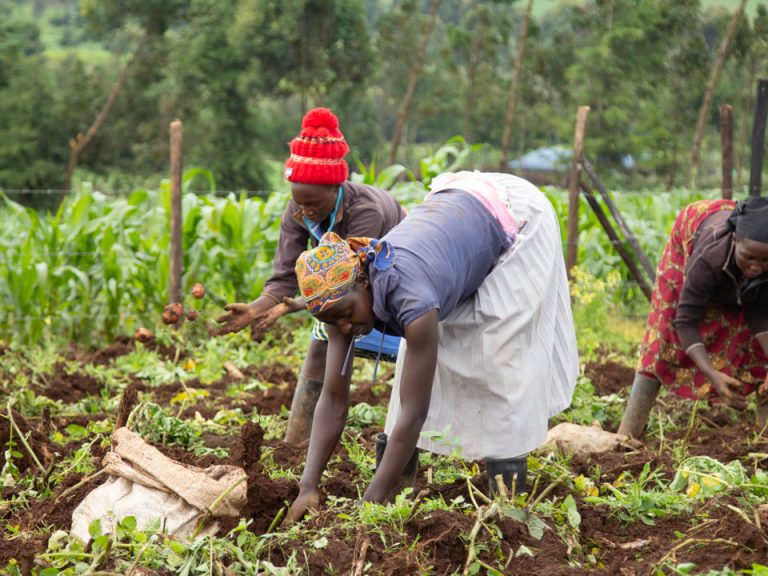
Coordinated and executed by the Ministry of Agriculture through its Department of Land Use Planning and Management, this key initiative aims to enhance crop production and productivity across the country.
To date, the agricultural health assessment has been completed in a total of 19 regions nationwide.
Providing an update on the project’s progress yesterday, following the completion of soil sample collection in the coastal region, Ms. Miriam Chanzi, the project’s team leader from the Department of Land Use Planning and Management, reported that the exercise is advancing at a steady pace.
She expressed confidence that the completion of the project is expected to have a positive impact on the performance of this vital economic sector in the near future.
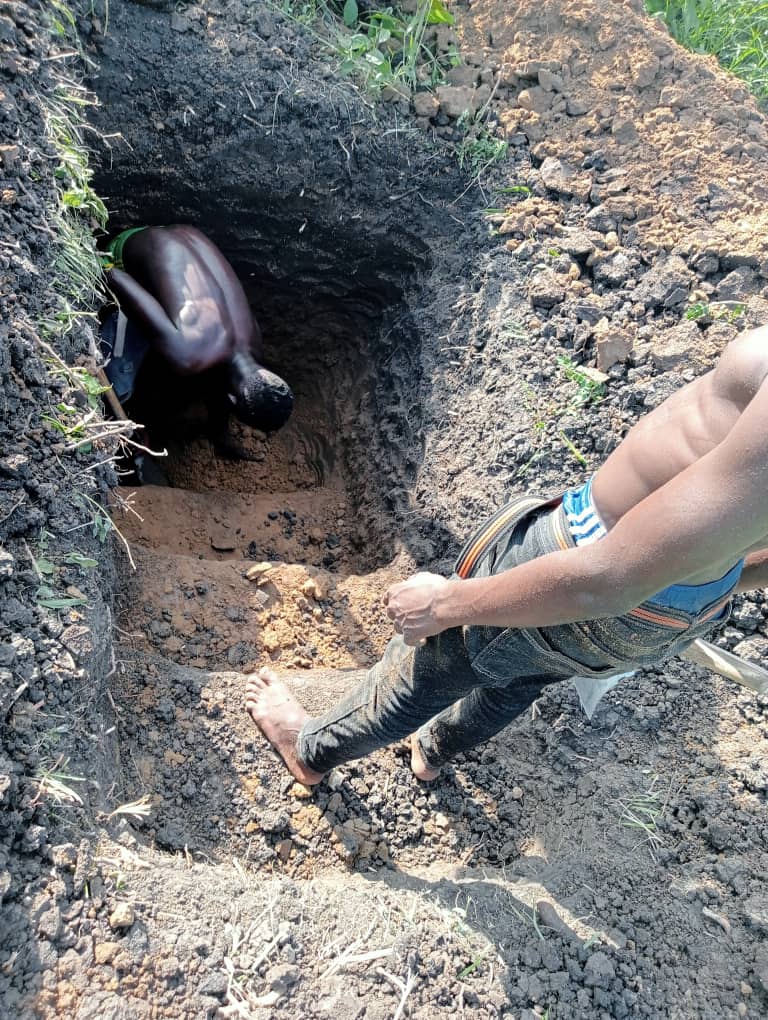
Ms. Chanzi detailed that in the coastal region alone, the ambitious project has successfully collected soil samples from various locations.
These include the Kibaha District Council, Bagamoyo DC, Chalinze DC, Kisarawe DC, Kibiti DC, Mkuranga DC, Rufiji DC, and Mafia DC.
“We have successfully collected 4,732 soil samples from 2,375 auger points and 733 samples from 241 profile pits,” she stated.
Soil health experts emphasize the importance of such assessments in guiding farmers on suitable crops and fertilizers.
The ongoing soil health evaluation aims to identify existing soil types, appropriate crops, challenges, nutrient deficiencies, and to determine fertilizer types as well as areas unsuitable for agriculture.
According to the project’s design, once sample collection is complete, the soil samples will be sent to laboratories for thorough analysis to determine the actual soil health status in all regions across the country.
“After completing the nationwide soil sample collection and assessments, the ministry will create digital maps displaying soil health data, soil characteristics, suitable crops, fertilizer types, and areas recommended for alternative use,” Ms. Chanzi explained.
She urged communities to continue cooperating with the ministry to ensure the remaining regions are covered, ultimately bringing positive transformation to Tanzania’s agricultural sector.
About The Author