










By 2024, Tanzania’s avocado sector had already recorded impressive growth, with exports reaching approximately 36,520 tonnes, and generating nearly USD 79 million
THE Southern Agricultural Growth Corridor of Tanzania (SAGCOT) has unveiled a dynamic new initiative aimed at dramatically expanding avocado cultivation across the country.
This visionary program has already resulted in the establishment of extensive plantations in emerging avocado-growing regions, positioning Tanzania to seize a larger share of the rapidly growing global market.
Designed to capitalize on surging international demand—especially in major markets such as China, India, South Africa, and the United States—the initiative aims to unlock the full potential of Tanzania’s avocado sector.
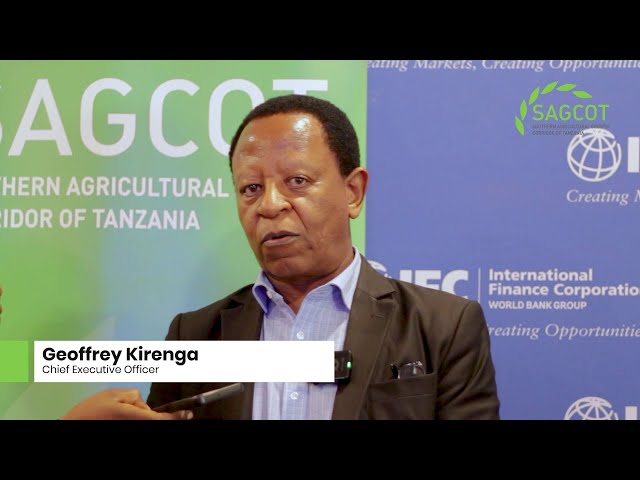
In an exclusive interview, SAGCOT Chief Executive Officer, Mr. Geoffrey Kirenga highlighted that the program goes beyond expansion, offering specialized training to farmers to adopt best agronomic practices.
“To date, we have successfully established 600 acres of avocado plantations in the Ruvuma region, engaging 600 farmers each managing one acre,” Kirenga revealed.
In the Morogoro region, the initiative has supported the development of 200 acres under the same model, empowering 200 individual growers.
“These operations operate on a block farming system where each farmer takes full responsibility for their acre,” he explained, noting that similar projects are gaining momentum in the Kigoma region as well.
Kirenga also pointed to a flagship program called ‘Tajirika na Lusitu,’ launched in Lusitu village in Njombe rural district. This cutting-edge training program equips farmers with advanced skills for cultivating avocado as a lucrative cash crop.
“Lusitu has become one of Tanzania’s premier avocado production hubs, and SAGCOT has made significant investment in farmer education there,” he said.
Farmers trained under this initiative are now serving as peer educators through a “Farmers-to-Farmers Training” model, rapidly spreading knowledge and elevating farming standards across multiple regions.
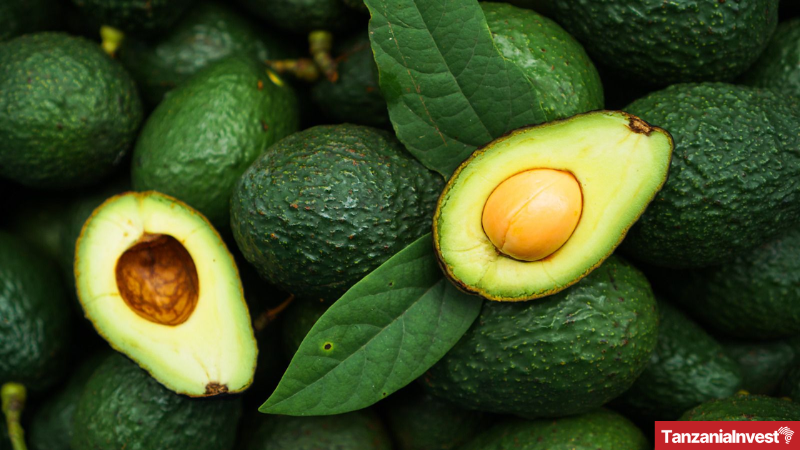
The ultimate goal is to significantly scale Tanzania’s avocado production.
“By 2024, Tanzania’s avocado sector had already recorded impressive growth, with exports reaching approximately 36,520 tonnes, and generating nearly USD 79 million,” Kirenga noted.
“This success has vaulted Tanzania to Africa’s fourth-largest avocado exporter, driven by strong global demand and supportive measures like subsidized fertilizers. Nonetheless, challenges remain, particularly in post-harvest handling.”
Looking forward, Kirenga emphasized the urgent need to upgrade critical infrastructure, including cold storage and cold chain logistics, to preserve fruit quality during export.
“We must also improve road networks linking farms to markets, alongside investments in seedling production, irrigation, storage, and processing facilities,” he added.
He further urged the government to consider cutting export taxes on avocados, a move he believes would attract more investors and boost government revenues through increased trade volumes.
As the sector gains traction, Kirenga stressed the importance of establishing a strong Tanzanian avocado brand to enhance value addition and raise the country’s profile in global markets.
The Ministry of Agriculture has set ambitious targets to raise avocado production to 290,000 tonnes in the coming season.
Tanzania is fast emerging as a powerhouse in avocado production, currently producing over 200,000 tonnes annually. Leading regions such as Njombe, Mbeya, and Kilimanjaro benefit from ideal high-altitude climates and fertile soils that promote robust crop growth.

Exports continue to rise, primarily destined for Europe, India, and the Middle East, with Hass and Fuerte varieties dominating the market.
The Southern Highlands—comprising Njombe, Mbeya, Iringa, and Songwe—together with Kilimanjaro, remain at the forefront of Tanzania’s avocado production, leveraging their favorable environmental conditions to spearhead the sector’s growth trajectory.
About The Author
