






Summary
The identified households were registered under the Universal Health Insurance Programme, with the government paying 150,000/- per household annually.
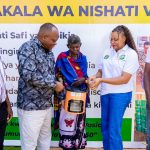
DODOMA: THE government has successful managed to enrolled over 9,000 poor households in the National Health Insurance Fund (NHIF) in Dodoma Region, the development which will see the beneficiary provided with subsidised health insurance.
The households, comprising about 20,000 beneficiaries, now have their health insurance premiums fully covered by the government, enabling them to access medical services without financial constraints.
Rolling out of the country’s key health service program aligns with the ongoing efforts engineered by the government to ensure the citizens across the country are timely accessing key medical care.
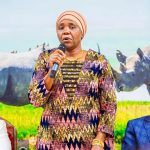
The NHIF Dodoma Regional Manager, Ms. Irene Katarahya revealed this success attained in the country’s health sector while speaking to journalists during exhibitions marking the 100 days of President Samia Suluhu Hassan’s second-term administration.
Ms Katarahya noted that the identified households were registered under the Universal Health Insurance Programme, with the government paying 150,000/- per household annually.
She added that the initiative is designed to ensure vulnerable citizens can access treatment, medical tests, and medicines at health facilities without facing financial difficulties.
The registration exercise was conducted at multiple administrative levels, including district councils, wards, and villages, where many residents responded positively to the programme.
She stated that NHIF has also continued extending coverage to other groups, including students, as part of broader efforts to expand health insurance access across the country.
She noted that the initiative aligns with the vision of President Samia to ensure every Tanzanian has access to health insurance services.
“The goal is to ensure every citizen is covered by health insurance so they can access health services without barriers,” she said.
She also explained that during registration, applicants are required to present their National Identification Authority (NIDA) number, while married couples must provide a marriage certificate and birth certificates for children to facilitate the identification of beneficiaries within the household.
About The Author
