











Mr GHAZI NAEEMULLAH DAR, The Author Of The Opinion
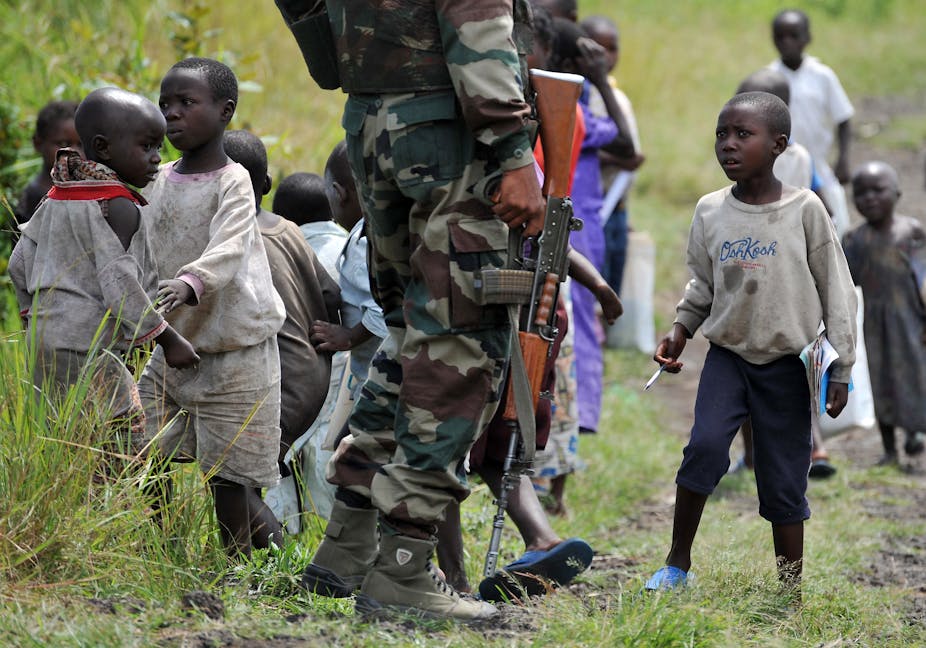
The horrors of war cannot be overstated: millions of innocent lives—including women, children, and the elderly—are lost!
By Mr GHAZI NAEEMULLAH DAR
HUMAN history stands as irrefutable testimony that war has always been synonymous with devastation, destruction, and lasting sorrow.
War does not only claim countless human lives; it also annihilates economies, tears apart societies, and razes civilizations to the ground.
The regional and global consequences of war are irreparable: millions are displaced, economies collapse, and generations are pushed into the dark abysses of poverty and uncertainty.
On a global scale, wars have consistently led to refugee crises, food shortages, and grave security threats.
In South Asia, the longstanding disputes between India and Pakistan—particularly the Kashmir issue—pose a constant threat to peace and stability.
The two nations have already fought several wars, and border tensions continue to simmer. Pakistan has consistently taken steps toward peace: unilateral ceasefires, invitations to dialogue, confidence-building measures such as the Kartarpur Corridor, and persistent efforts to resolve the Kashmir dispute under United Nations resolutions stand as shining examples.
The United Nations has made various efforts to establish peace in the region, passing resolutions on Kashmir, deploying observers along the ceasefire line, and repeatedly calling for dialogue.
Yet, unfortunately, vested global interests and regional conspiracies have sought to keep this conflict alive, fueling the arms race and strategic rivalries instead of fostering resolution.
The balance of power between India and Pakistan has continually evolved. Both are nuclear-armed states, and any war between them would lead to unimaginable destruction on both sides.
The possibility of war, sadly, has never been fully eradicated, with minor incidents threatening to escalate into full-scale conflict at times. Yet, the truth remains that neither side would emerge victorious—only devastation would prevail. Millions would perish, economies would crumble, and the entire region would face global isolation.
Thus, it is imperative for the leadership of both nations to forsake the path of confrontation and embrace wisdom. Dialogue, negotiation, confidence-building, and public welfare must replace military posturing. War offers no solutions; it brings only ruin. Both countries must recognize and resist regional conspiracies and resolve their issues through mutual understanding and peaceful engagement.
We must remember that a legacy of hostility will rob future generations of their dreams. The only true path to peace, prosperity, and development lies in dialogue and compromise. It is time to make peace our ultimate goal so that every individual in the subcontinent may live in an environment of tranquility and hope.
The horrors of war cannot be overstated: millions of innocent lives—including women, children, and the elderly—are lost.
Civilian populations suffer alongside soldiers. Economies spiral into crisis, industries shut down, agriculture withers, trade collapses, and investments cease. Budgets are diverted to defense, while vital sectors such as healthcare and education suffer crippling neglect.
Infrastructure—roads, bridges, schools, hospitals, power supplies, and water systems—is devastated, and reconstruction can take decades.
Millions are forced to flee, resulting in refugee crises that burden neighboring countries and international systems. The psychological scars of war—depression, PTSD, and violence—haunt survivors, while the environment suffers from pollution, poisoned water supplies, and barren lands.
Education halts in war zones, cultural and historical heritage is erased, international condemnation and sanctions isolate the warring nations, and internal instability fosters ethnic, religious, and sectarian conflict.
The history of wars across the globe testifies that neither military might nor economic strength guarantees victory—only the illusion of superiority. In a hypothetical India-Pakistan war, Pakistan, having little left to lose, would likely emerge more united, while India’s internal divisions and separatist movements could intensify and tear the fabric of its union apart.
Therefore, it is critical for both India and Pakistan to demonstrate statesmanship, to sit together, establish joint forums, and resolve disputes like responsible neighbors. The billions currently spent on defense must instead be invested in regional development and public welfare, raising the standard of living for all.
The real war must be fought against poverty, backwardness, illiteracy, and the lack of healthcare—not against each other.
The future of South Asia depends on wise leadership, mutual respect, and a shared vision of peace.
About The Author
