




By Senior Reporter VALENTINE OFORO
“It’s very interesting to see the way Tanzania is well preserving cultural historical heritage sites across the country, a key strategy for the smooth metamorphosis of cultural – ecological tourism in the country,” Professor Svetlana Tereshchenko.
DODOMA. TANZANIA will soon start receiving influx of foreign tourists following pledge by the high- profile forest and tourism experts from Russia to embark on special zeal to sensitize visitors from Moscow to come to Tanzania’s tourism destinations.
The development was unveiled yesterday by Professor Svetlana Tereshchenko, Head of the Directorate of International Cooperation, at the Russian – based Saint Petersburg State Forest Technical University.
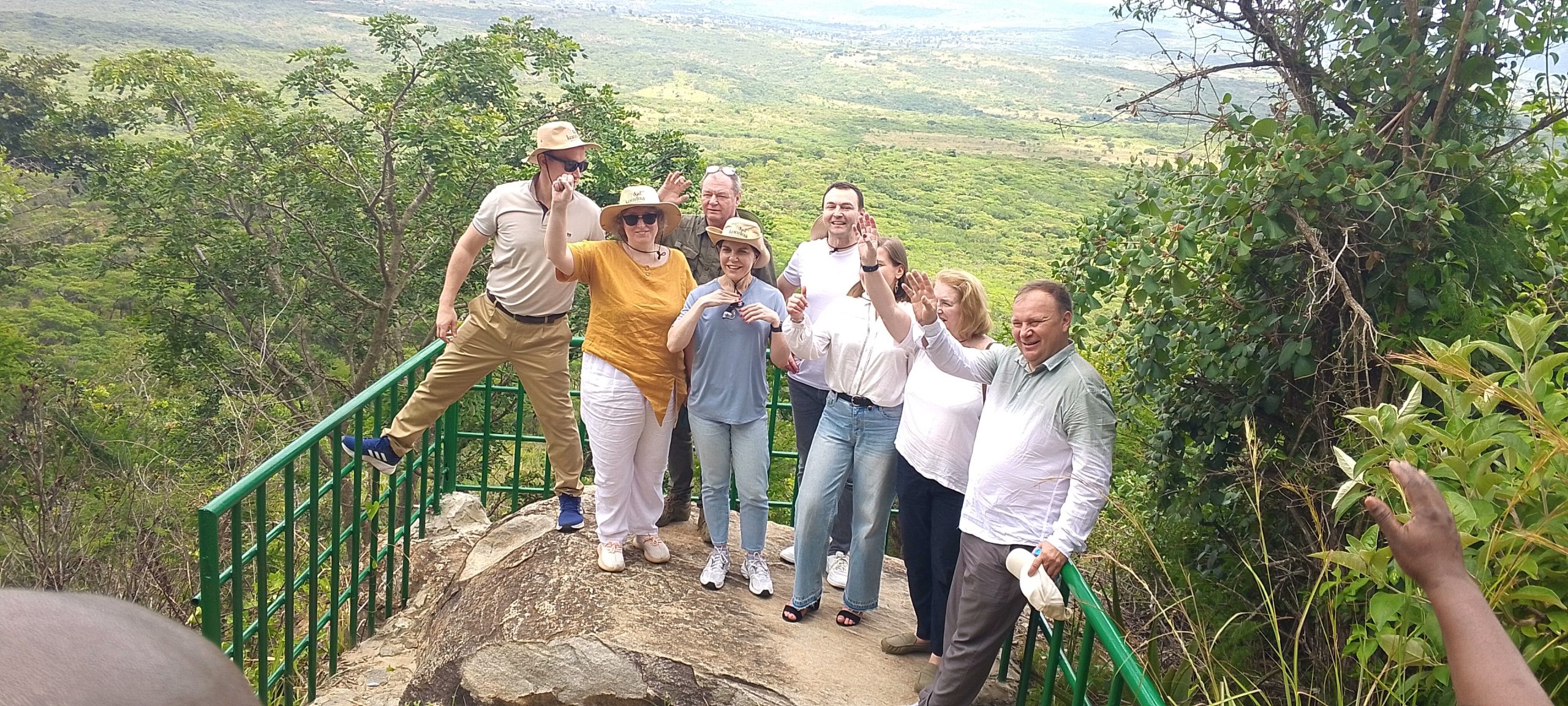
The Don unveiled the constructive bilateral plan when a Russian delegation of ten- experts in forest and tourism, including professors and doctors, paid a special visit at the East African’s famous Kolo Rock Art Site, mapped in Kondoa District, Dodoma Region.

“It’s very interesting to see the way Tanzania is well preserving cultural historical heritage sites across the country, a key strategy for the smooth metamorphosis of cultural – ecological tourism in the country,” she said.
Airing her observation after visiting the cultural heritage wonders at Kolo Rock Art Site, Prof Tereshchenko said: “We have been deep impressed with this place, everything is organized professionally to give amazing tourist offers,”
On behalf of the delegation from Russian federation to Tanzania, which is part of Russian-Tanzanian Scientific and Educational Expedition, Prof Tereshchenko detailed that their mission to Tanzania is devoted to forest education and forests science.
” We have met with a number of Tanzania’s counterparts experts in the relevant fields, and are looking forward to meet with organisations in tourism and forest to chart ways we can together collaborating to improve performance of the sectors in Tanzania,” she briefed.
On his side, Mr Jared Otieno, the Tanzania Forest Services (TFS) Coordinator, who is in charge for the coordination of the delegation schedule, expressed that the visitors are in the country to explore possible areas of cooperation pertaining to forest conservation.
“They’re here for cementing bilateral cooperation with local experts in several key areas, including conduction of key forest research, use of high- technology for forest surveillance and management, as well as processing and development of forest -related products.
From the cooperation, Mr Otieno said Tanzania will benefit a lot through venturing into use of cloud- connected gadgets to preserve forests, including high- quality aerial drones, as well as tailor -made satellite systems.
Other helpful interventions with entails rolling out of special training programs to capacitate skills and expertism of Tanzania’s experts in the field of forests.

Speaking Monday at the Russian Cultural Center in Dar es Salaam where the delegation made the first leg visit, Russian Ambassador to Tanzania, H.E. Andrey Avetisyan, spoke over the important for the two countries to heighten collaboration in forestry, agriculture, and wildlife protection.
“Tanzania is home to over 20 national parks, many of which remain undiscovered by the international community. Beyond Serengeti and Ngorongoro, there are incredible landscapes that few have seen. There is great potential for collaboration in environmental conservation,” he said.
Among other, the timely visit is projected to pave the way for new research initiatives, academic exchanges, and joint scientific projects, further strengthening the long-standing partnership between Russia and Tanzania.
ABOUT KOLO ROCK ART SITE
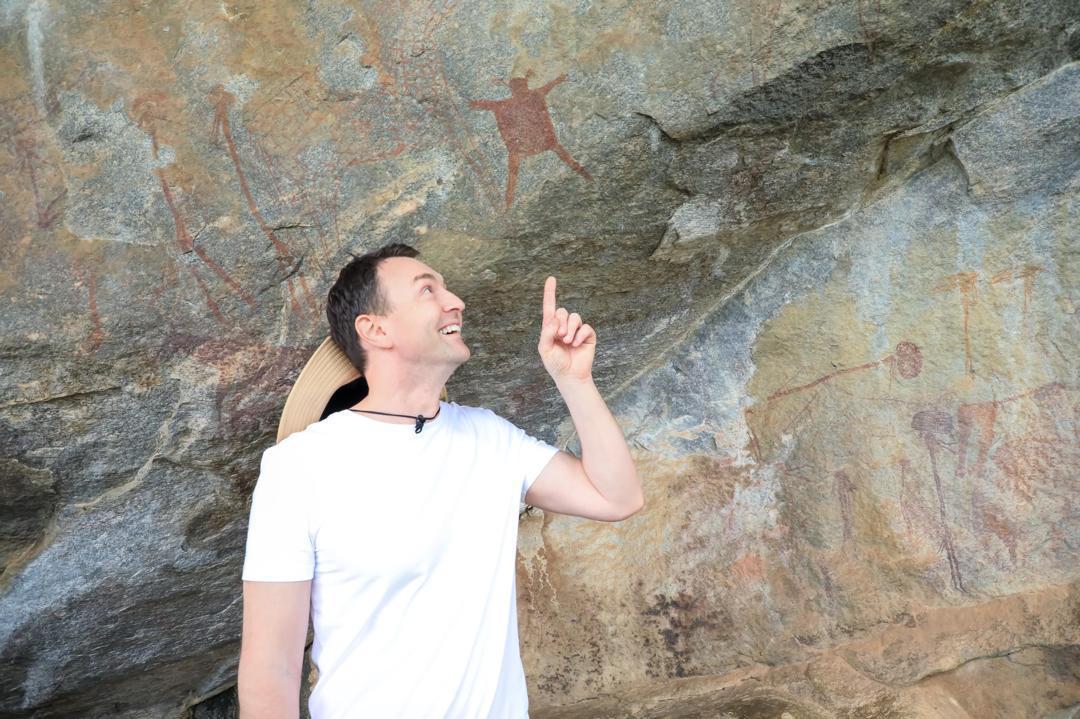
The Kondoa Rock-Art Sites or Kondoa Irangi Rock Paintings are a series of ancient paintings on rockshelter walls in central Tanzania.
The Kondoa region was declared a UNESCO World Heritage Site in 2006 because of its impressive collection of rock art. These sites were named national monuments in 1937 by the Tanzania Antiquities Department.
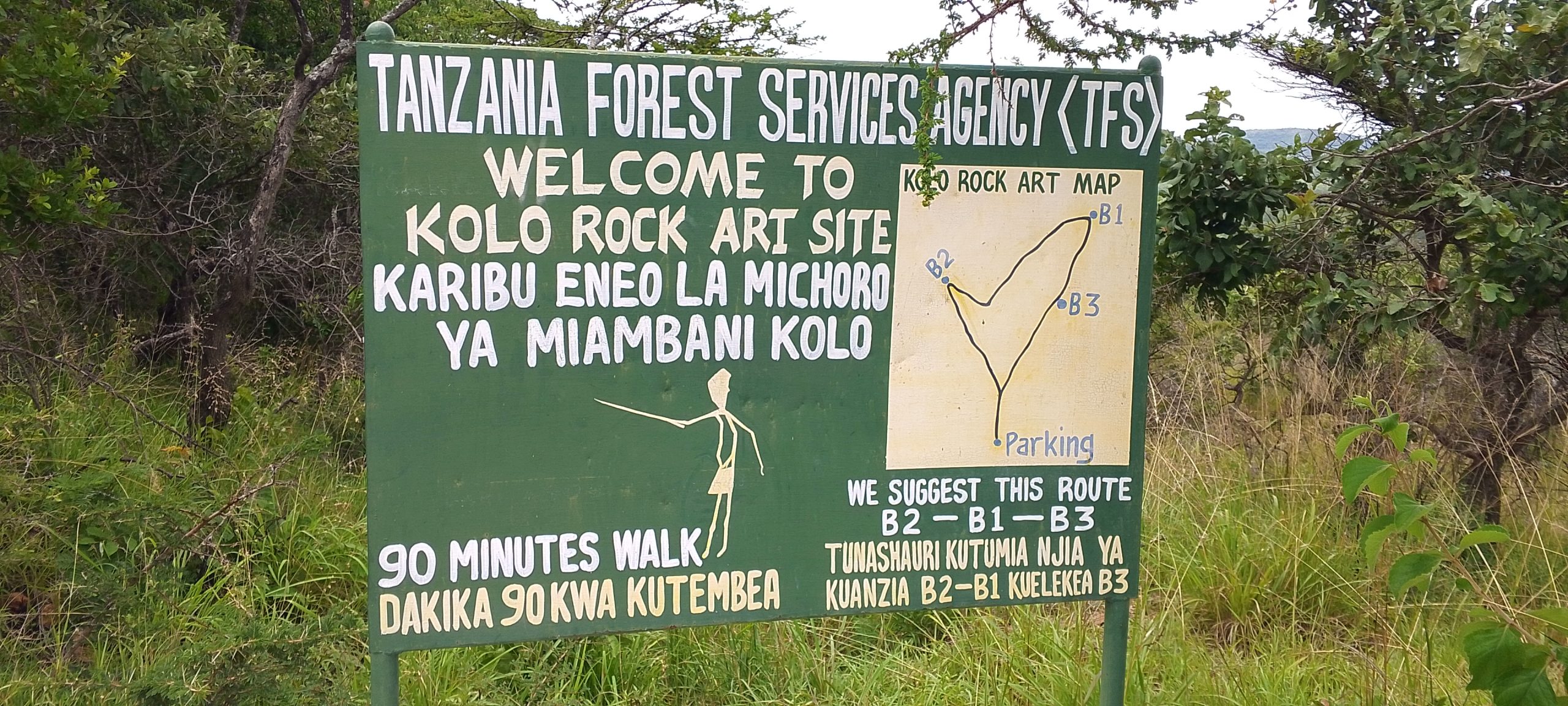
The paintings are located approximately nine kilometres east of the main highway (T5) from Dodoma to Babati, about 20 km north of Kondoa town, in Kondoa District of Dodoma Region, Tanzania. The boundaries of the site are marked by concrete posts. The site is a registered National Historic Sites of Tanzania.
About The Author