







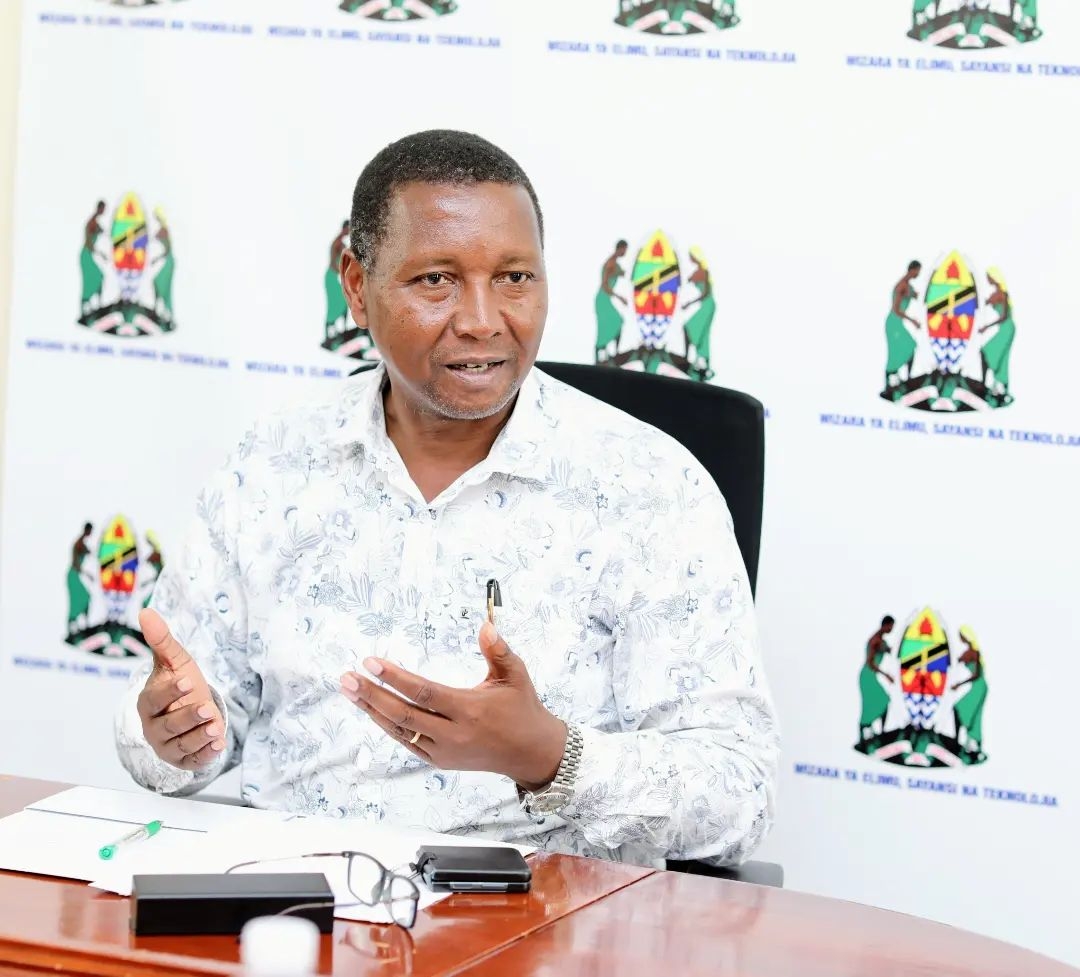
Minister Adolf Mkenda
The initiative is part of the government’s commitment to strengthen the education system and enhance school monitoring nationwide.
DODOMA. THE Minister for Education, Science and Technology, Prof. Adolf Mkenda, has urged school inspectors to carry out their responsibilities with utmost diligence, emphasizing their role as the government’s ‘eyes’ in overseeing education and as vital monitors for the ministry.
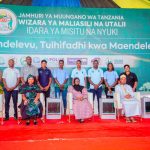
Prof. Mkenda made these remarks at the launch and distribution ceremony of vehicles, educational materials, and assistive technologies designated for inspectors, teachers, and students with special needs.
The initiative is part of the government’s commitment to strengthen the education system and enhance school monitoring nationwide.
He highlighted that the current Sixth Phase Government is determined to ensure inspectors operate effectively—not only by providing council-level offices but also by equipping inspectors with vehicles and essential tools for their work.
“Sometimes, when serious issues in schools come to light, people post pictures on social media. Although I don’t believe these posts are meant to cause harm, I treat them as reports that demand immediate action. The School Quality Assurance Department has played a crucial role in addressing these concerns,” Prof. Mkenda stated.
He further commended the Director of School Quality Assurance, noting, “Thanks to their efforts, I have consistently been able to quickly identify the schools involved whenever challenges are publicly shared.”
Prof. Mkenda cited troubling examples, such as schools where a single toilet is shared by both students and teachers, calling this a clear sign of negligence by school directors and council officials who prioritize other expenses over urgent school needs.
“This situation is unacceptable. No council should fail to provide adequate student toilets unless it faces zero revenue. If resources like vehicles, fuel, and allowances are available yet these problems remain, it indicates negligence—often because school inspectors have not fully executed their responsibilities,” he explained.
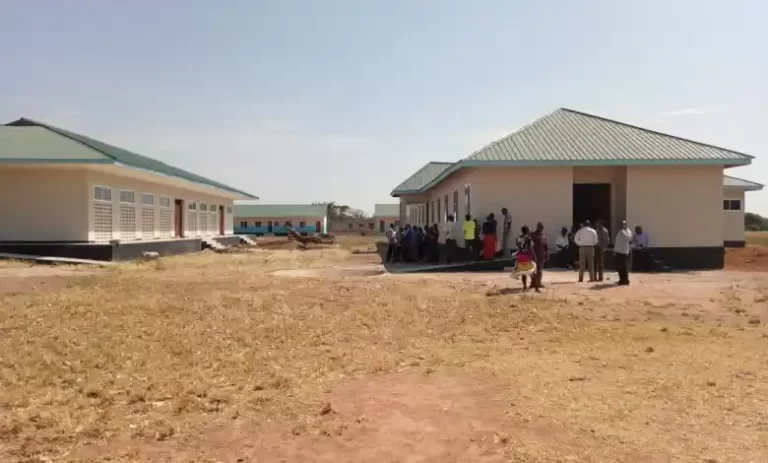
He urged inspectors to promptly report any school challenges to the director and, if unresolved, escalate the issues to the district commissioner and eventually to the ministry for follow-up.
“This year, we must act with greater urgency. Even if our vehicles cannot reach every location, inspectors should establish WhatsApp groups with head teachers to enable early and efficient reporting of challenges,” Prof. Mkenda advised.
He stressed that timely interventions not only help resolve issues swiftly but also reduce public complaints and the posting of concerning videos or images online.
Reaffirming the government’s commitment, Prof. Mkenda assured that the School Quality Assurance Department will continue to be strengthened through the provision of necessary equipment and improved working conditions to enable inspectors to monitor schools comprehensively and effectively.
The Director of School Quality Assurance, Mr. Ephraim Simbeye, reported that the department’s operations have been significantly enhanced across all 184 councils thanks to these government initiatives.
“Regarding vehicles, 165 of the 184 councils are now equipped, steadily reducing shortages. Only 19 councils still require vehicles,” he said.
Mr. Simbeye added that the vehicles were procured through the Education for Results Programme (EP4R) at a cost of 904.8 million Tanzanian shillings and are already improving the department’s capacity for effective school monitoring.
About The Author
