





Out of approximately 30,000 eligible institutions nationwide, only 1,136 have so far adopted clean cooking solutions.
DODOMA: THE government has called on all institutions serving more than 100 people to immediately transition to clean cooking technologies, reinforcing the country’s commitment to its clean cooking agenda.
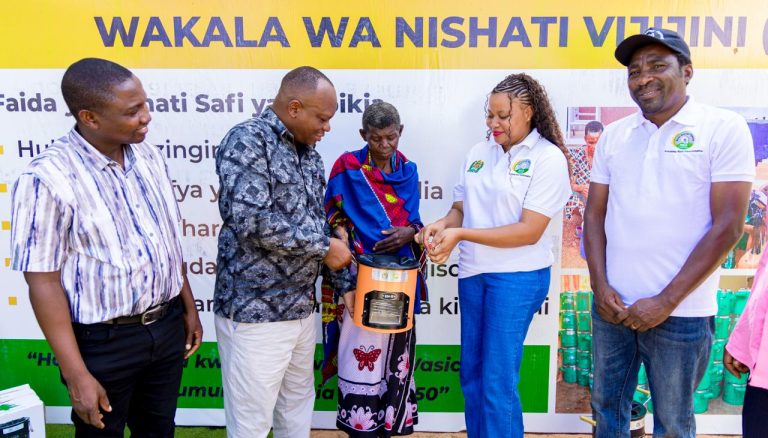
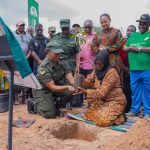
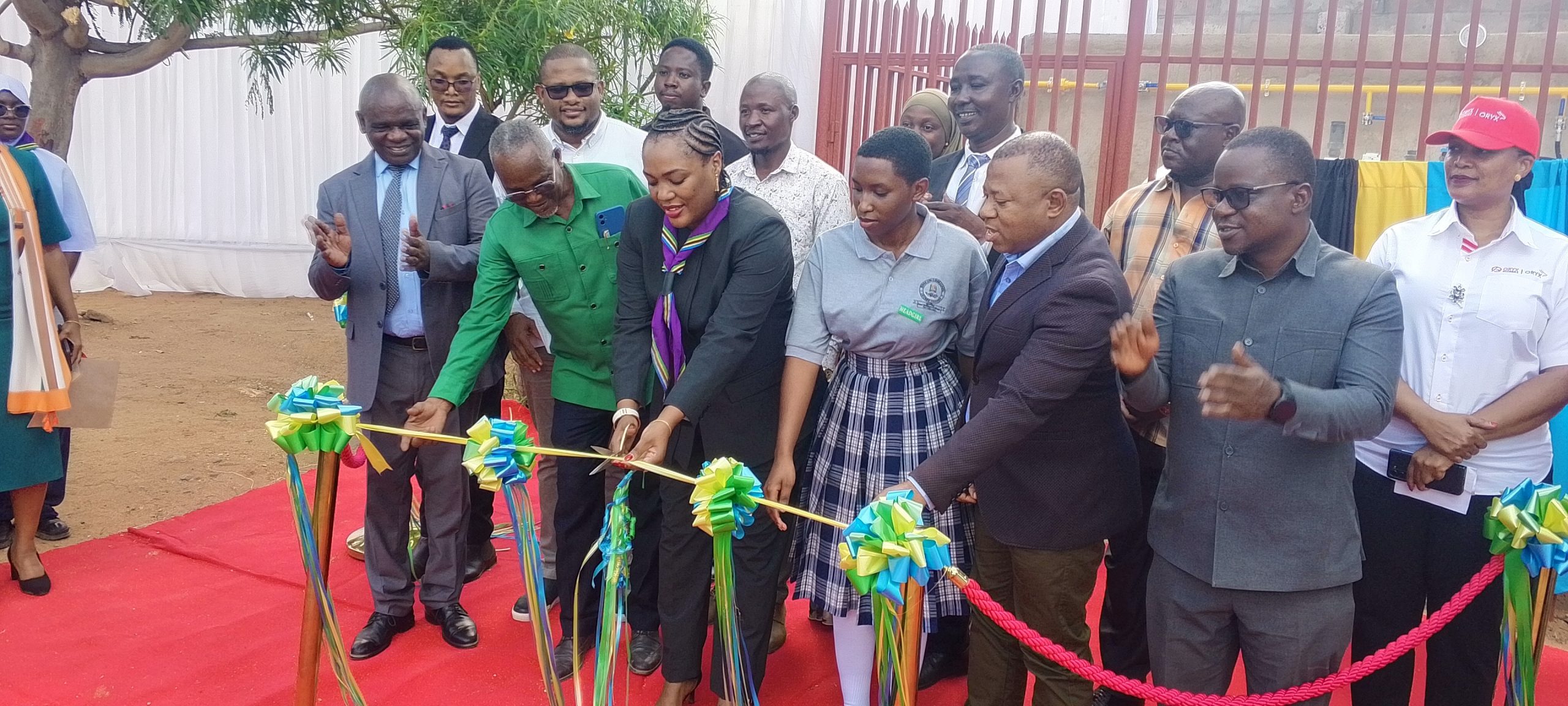
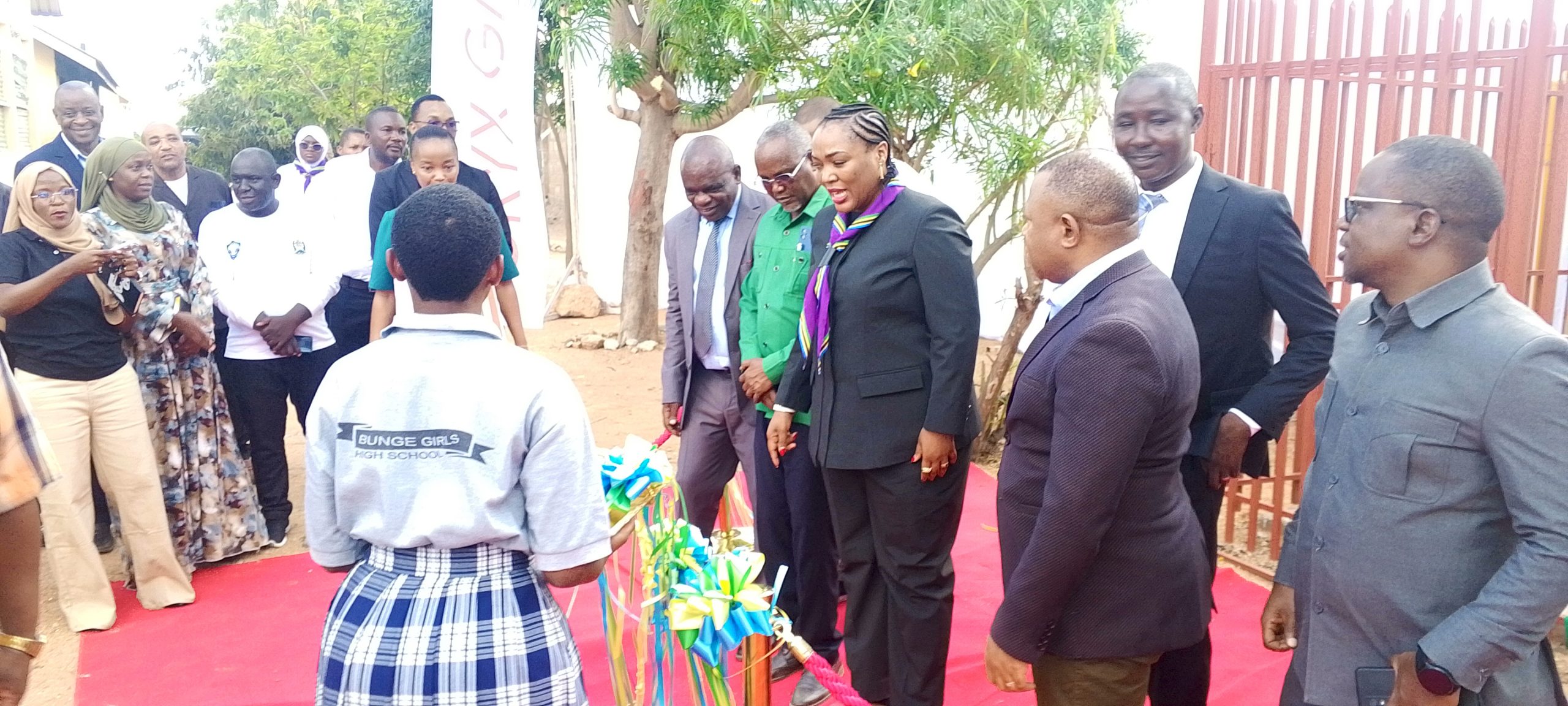
The reminder has been made by the Deputy Minister for Energy, Ms. Salome Makamba during the launch of a Clean Cooking Project at Bunge Girls Secondary School, mapped on the outskirts of Dodoma Capital City.
The minister revealed that out of approximately 30,000 eligible institutions nationwide, only 1,136 have so far adopted clean cooking solutions.
She also urged the private sector to actively participate in expanding access to clean cooking energy, particularly in rural and peri-urban areas.
“We already have many stakeholders involved, but significant opportunities remain,” she stated, added : “Institutions, auction centres, modern markets, food vendors, and young people at bus stands and terminals all need access to affordable clean cooking technologies suited to their financial capacity.”
The Deputy Minister highlighted that clean cooking energy usage has risen to 23.2 percent up from just 6.9 percent in2021.
She warned that continued reliance on traditional fuels leads to respiratory illnesses and accelerates deforestation due to charcoal and firewood production.
The project launched at Bunge Girls Secondary School is part of the National Clean Cooking Strategy (2024–2034), which aims to promote sustainable energy adoption across Tanzania.
Minister Makamba commended private sector partners for supporting the initiative and also inaugurated the school’s Clean Cooking Club, which will raise awareness about the benefits of clean energy.
Speaking on behalf of the Chairperson of the Parliamentary Standing Committee on Energy, Mr. Jonas Mbunda, MP for Mbinga Urban, emphasised that the project would not only protect the environment but also save time and improve public health.
He praised President Samia Suluhu Hassan for championing the clean cooking agenda and assured continued parliamentary support for the Ministry of Energy in implementing the programme.
On his part, Mr. Richard Msana, Acting Head of Bunge Girls Secondary School, shared that between July 2020 and May 2022, the school spent up to 10.5m/- per quarter on firewood, over 3m/- monthly.
After switching to charcoal, monthly costs fell slightly to 2.753m/- according to him.
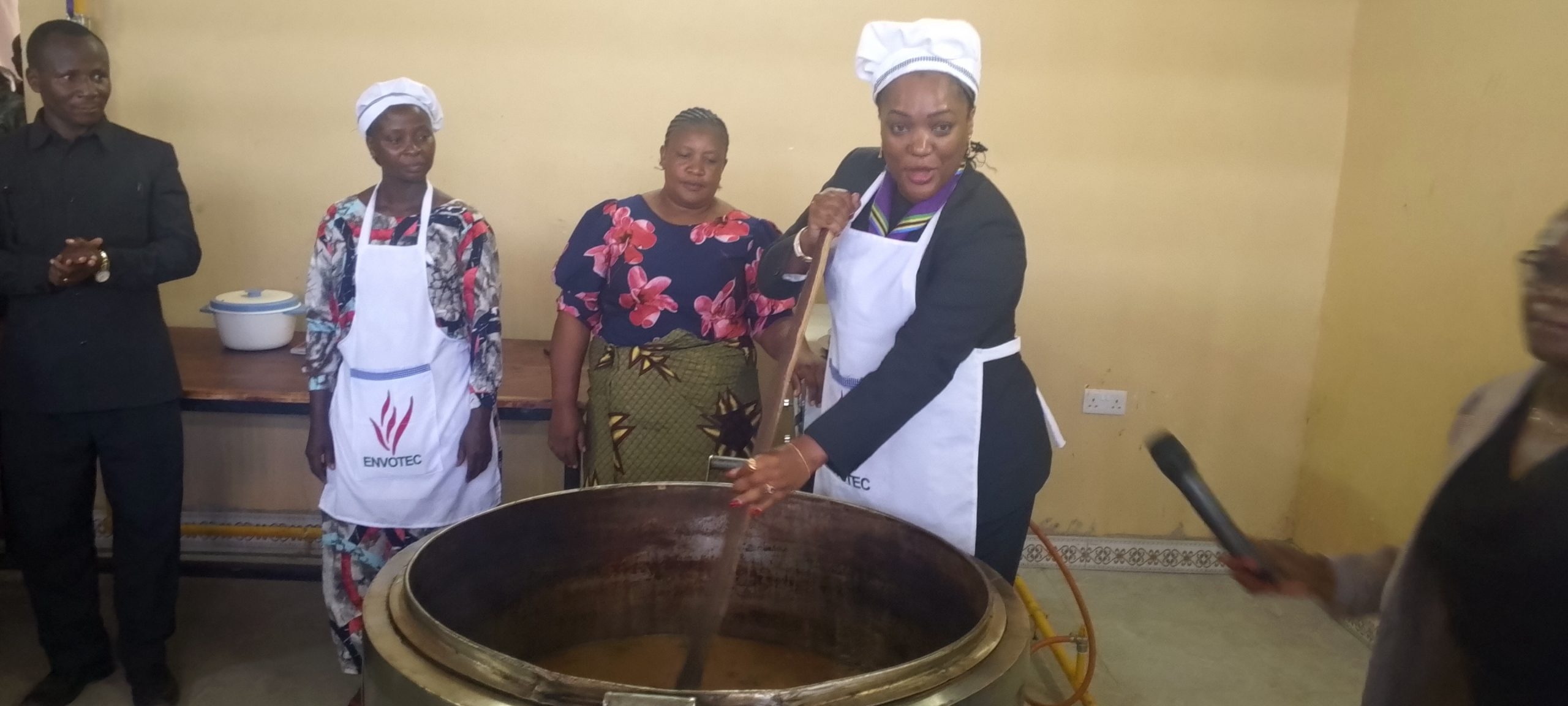
“Following the installation of cooking gas technology, the school purchased one tonne of gas used from November 2025 to February 2026, reducing monthly expenses to just 1.3m/-” he observed.
The National Clean Cooking Strategy 2024–2034, developed in collaboration with various stakeholders, targets an 80% adoption rate of clean cooking among Tanzanians by 2034.
Clean cooking refers to energy sources and technologies that minimise toxic emissions while ensuring efficiency and safety.
Approximately 72.5 percent of energy in Tanzania is used in households, mainly for cooking.
Traditional cooking methods are known to cause respiratory diseases, environmental damage such as deforestation and drought, carbon emissions from wood and charcoal production, social issues including gender-based violence, and economic and educational losses due to time spent collecting fuel.
About The Author