









Summary
A hands-on journey to Tanzania’s Lake Zone equips cassava seed entrepreneurs with the practical tools and business mindset to build sustainable, market-driven enterprises.
TANZANIA: IN the heart of Tanzania’s Western and Central Zones, a quiet agricultural revolution is taking root.
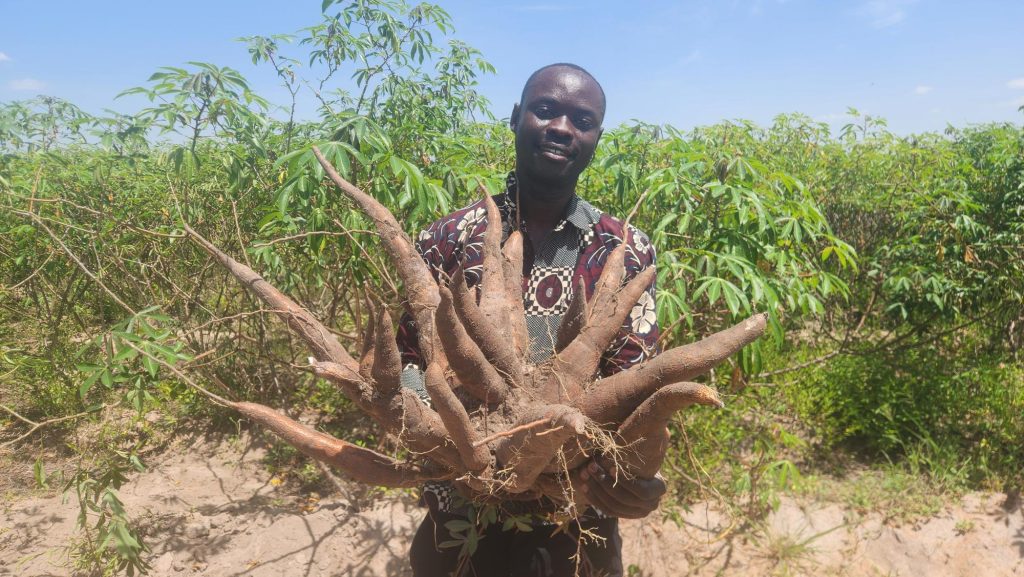
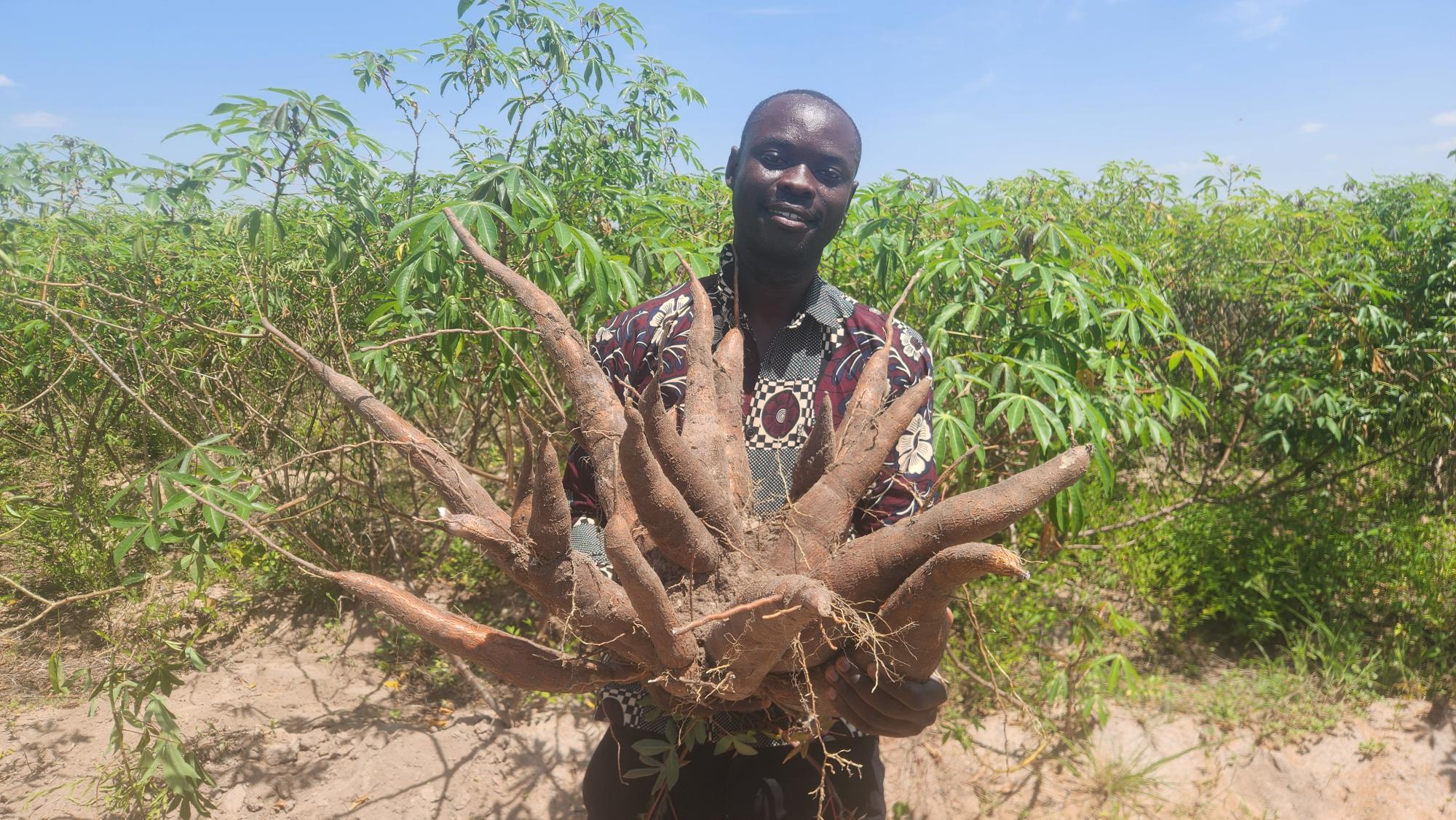
The Muhogo Bora (Better Cassava for All) project has successfully proven that community-based seed enterprises (CSEs), led predominantly by women and youth, can produce high-quality, disease-free cassava planting material.
The numbers speak volumes of 242 trained CSEs generating over TZS 402.5 million in seed sales.
Yet, a critical hurdle remains. While technical production capacity has soared, many of these enterprises struggle to thrive as sustainable businesses.
The constraint is no longer the seed in the ground, but the market for it: low visibility, weak customer acquisition, fragile links to processors, and a chronic shortage of working capital to fuel growth.
To bridge this gap, the Muhogo Bora Project organized a pioneering learning mission, whereby from November 29 to December 7, 2025, 25 CSE representatives and association leaders from Katavi, Kigoma, Tabora, and Singida embarked on a structured, peer-to-peer journey to Tanzania’s Lake Zone.
Their goal was simple yet ambitious: to learn from those who have already built viable seed businesses and to translate those lessons into actionable strategies back home.
Classroom Without Walls: The Learning Mission Methodology
This was no ordinary training workshop, but it was designed as a practical, business-focused exposure visit, the mission’s philosophy was “learning by seeing.”
Participants moved through real enterprises, processing plants, and media houses, engaging directly with the people behind the success stories.
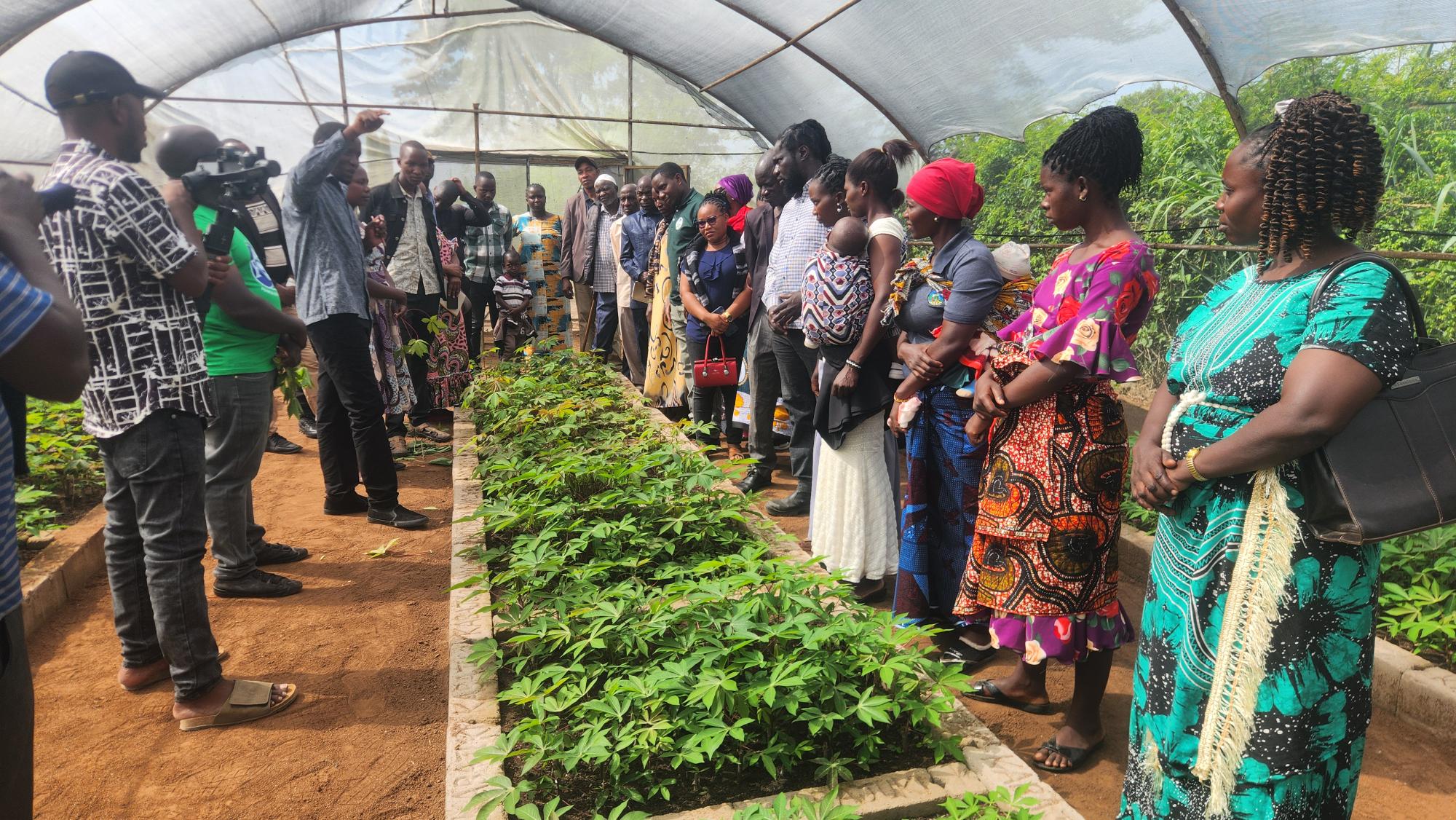
The itinerary was meticulously crafted to address the core business cycle of a seed enterprise.
Credibility and Quality: A visit to the Tanzania Agricultural Institute (TARI), Ukiriguru Centre to understand the science and systems behind quality seed.
Market Pull and Value Addition: A tour of Kipipa Millers to demystify processor requirements and explore entry-point technologies.
Marketing and Demand Creation: A deep dive with FUJO Farms, in Geita region to see low-cost, high-impact marketing in action.
Communication and Outreach: A session at Radio Sengerema to build confidence and skills in using media.
Collective Actionand Finance: An immersion with the CHAWAZIWA association to witness the power of collective marketing and member-funded SACCOs.
Key Insights: Transforming Business Mindsets
The mission yielded profound, practical lessons that are already reshaping how participants view their enterprises.
The Processor is a Partner, Not a Phantom.
For many, the visit to Kipipa Millers was transformative. The Production Manager, Mr. Matemu, shattered the myth that supplying processors requires massive scale.
He highlighted affordable, mobile technologies—like motorbike-transportable chippers and solar dryers—that enable small-scale farmers and CSEs to produce the clean, dried chips that fetch premium prices.
This direct B2B engagement revealed a clear commercial logic: when seed is linked to a profitable end-market, demand becomes sustainable.
“Shortly after this visit, I will go back to Kipipa at my own cost… I want to buy one cassava chipper.”said Asha Nasoro Luvila from the Urambo, Tabora region.
Marketing is Visibility, and Visibility is Sales.
At FUJO Farms, participants saw marketing stripped down to its essentials. FUJO’s model relies on relentless, low-cost visibility, reflective jackets on local motorbike riders, strategic signboards, and small trial seed packs to reduce farmer risk.
The initiative combines this with active use of local radio, WhatsApp, and Facebook. The lesson was clear: effective marketing is a deliberate, consistent investment, not an afterthought.
“I realized I was using my phone the wrong way. From now on, I will use Facebook and WhatsApp for marketing my seed,” expressed Mr.Joachim Aron Kazimoto from the Katavi’s CSE.
Strength in Numbers and Capital.
The CHAWAZIWA association served as a powerful “proof of possibility.” With 376 members and a member-run SACCO boasting a TZS 78 million capital base, CHAWAZIWA demonstrated how collective action solves critical constraints.
Their branded seed bags ensure traceability and build trust, while the SACCO provides the working capital for marketing and bulking that individual CSEs lack.
“The SACCO idea is very important. Without working capital, we cannot market seed properly. This is what we need to build back home,” expressed Neema E. Kasanga, the CSE’s Association Leader.
Your Voice is Your Business Tool.
The session at Radio Sengerema turned apprehension into agency. By practicing live interviews, participants, especially women, overcame the fear of public speaking.

They learned that a clear, confident message about seed availability and benefits, broadcast in a local language, is a potent sales tool that builds unparalleled trust in rural communities.
“This was my first time to speak live on radio… I can already see how radio can bring real calls for my seed business.” said Grace Laurent Mhoza, from Kigoma CSE.
The Road Ahead: Translating Lessons into Action
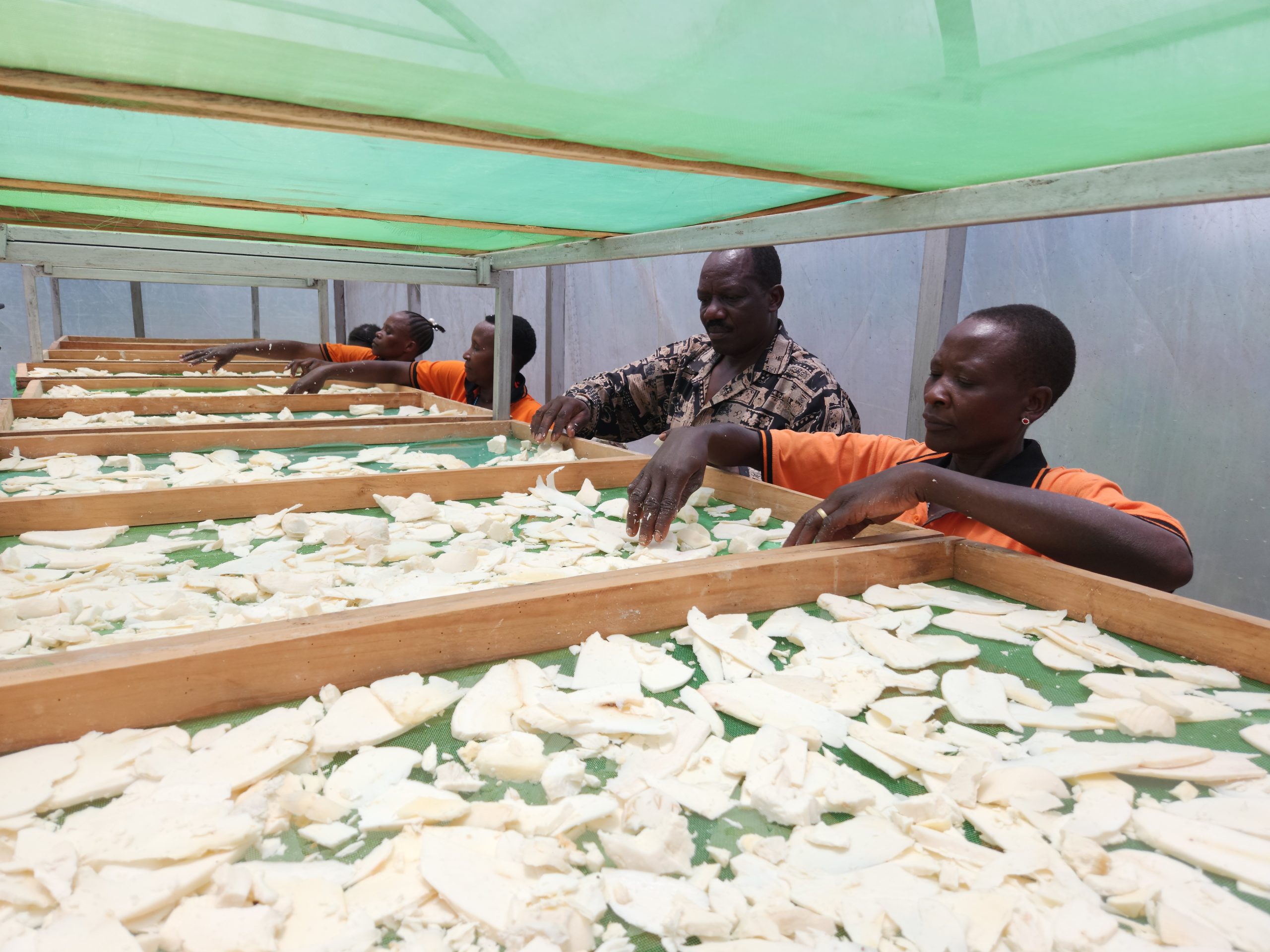
The mission concluded with a firm focus on the future. Participants left with concrete intentions: to erect signboards, engage local radio stations, formalize association governance, and pursue direct links with processors.
The Muhogo Bora team is now channeling these insights into a structured “Outcome 3 improvement package.”
This includes developing a practical marketing toolkit, strengthening SACCO and village savings models, and facilitating targeted off-taker engagements.
An innovative idea on the table is the promotion of small trial seed packs, allowing farmers to test improved varieties with minimal risk, thereby building the confidence that leads to larger, commercial purchases.
Conclusion: A Sustainable Seed System in Bloom
The Lake Zone learning mission did more than share techniques; it ignited a change in mindset. It demonstrated that a commercially viable cassava seed sector is within reach when technical production is married with savvy marketing, strong collective organization, and solid market linkages.
The seeds of knowledge have been planted. As these 25 entrepreneurs return to their regions, they carry with them not just lessons, but a renewed conviction: they are not just seed producers; they are the foundational businesses of a resilient, market-driven agricultural future for Tanzania.
The Muhogo Bora Project is executed by Cornell University and implemented by the International Institute of Tropical Agriculture (IITA) and the Tanzania Agricultural Research Institute (TARI).
About The Author
