









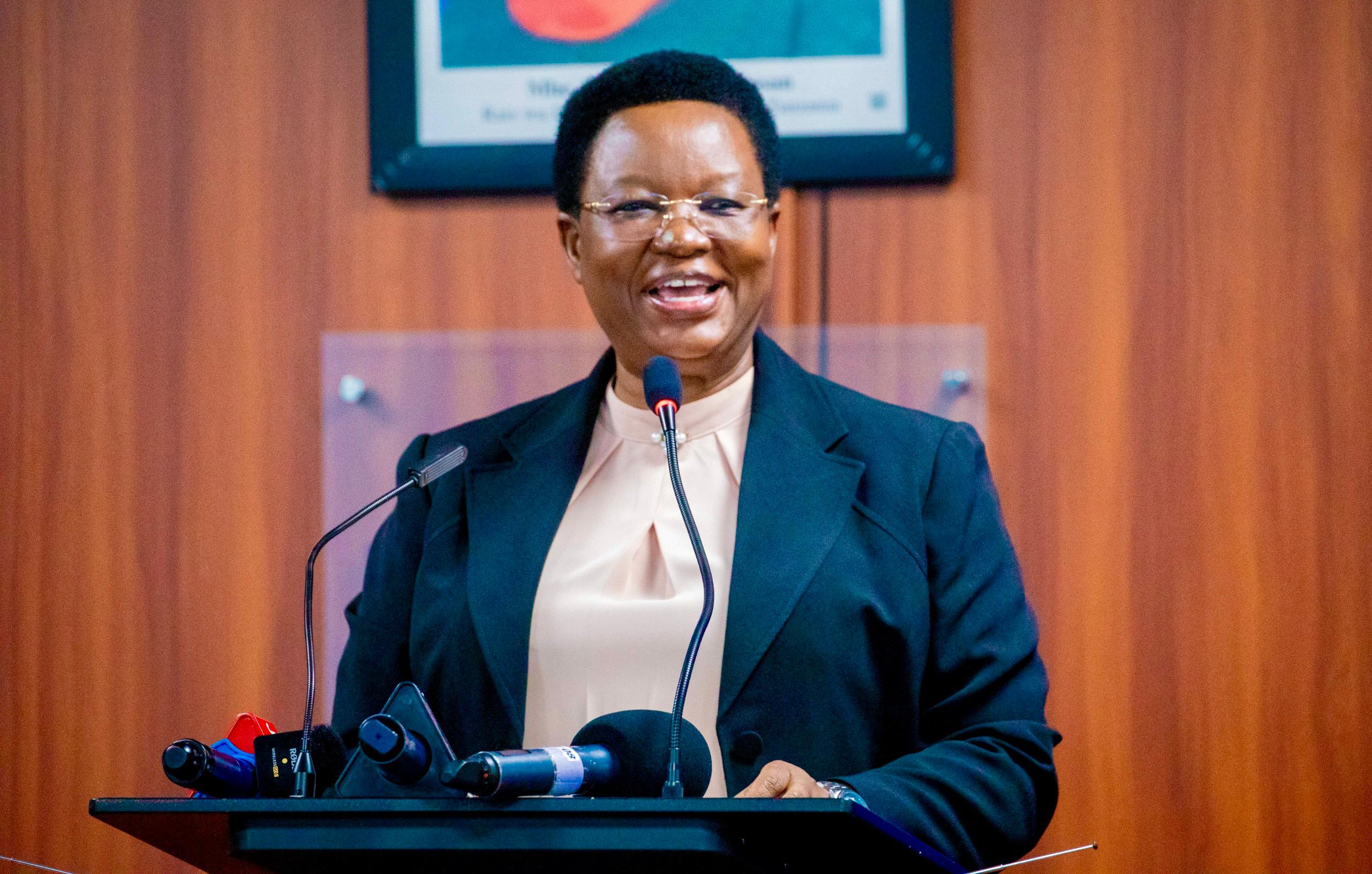
Prof. Carolyne Nombo, the Permanent Secretary (PS) in the Ministry of Education, Science and Technology
Addressing concerns about advanced cloud-connected technologies replacing teachers, she reassured the public that teachers’ roles will remain vital.
“Teachers cannot be replaced by these digital systems. Their role remains critical; they need to sharpen their skills to effectively harness these technologies,” Prof Carolyne Nombo emphasized.
DODOMA. THE government has directed education institutions nationwide to widely adopt artificial intelligence (AI), digital technology, and data science to enhance their performance.
Deputy Permanent Secretary (PS) in the Ministry of Education, Science and Technology, Prof. Carolyne Nombo, emphasized yesterday that in today’s digital era, embracing AI and digital systems is essential to strengthen and standardize education delivery.
She made these remarks during her speech at the opening of the Dissemination Workshop for the National Digital Education Strategy and its implementation guidelines.
The three-day workshop, held under the theme “Integrated Digital Technologies in the Education Sector,” aims to raise inclusive awareness of the National Digital Strategy and its relevant guidelines among key education stakeholders.
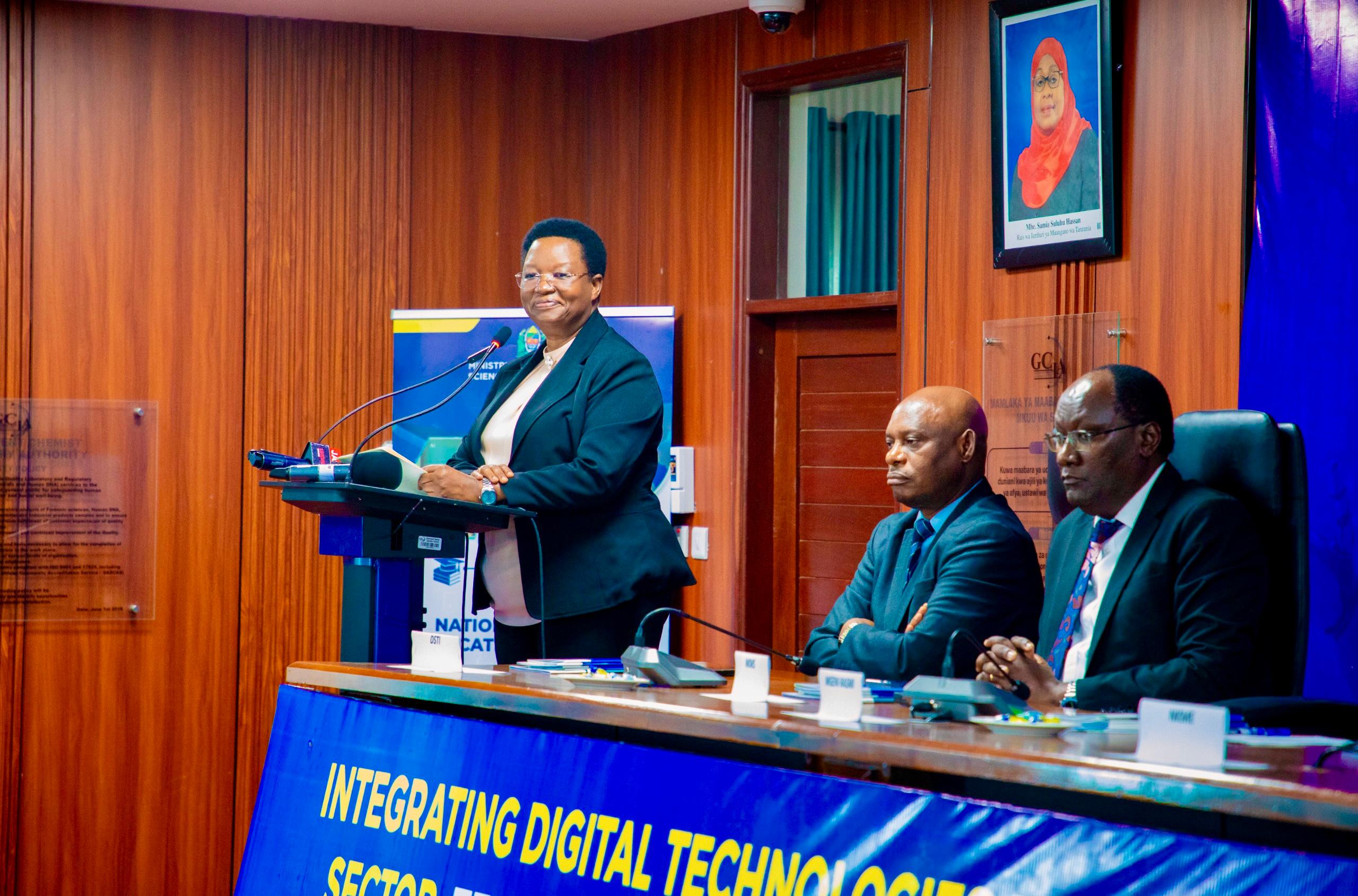
“As Tanzania moves toward the official implementation of the National Digital Education Strategy, we acknowledge the imperative of building capacity among key implementers, especially regarding the relevant guidelines,” she said.
Prof. Nombo stressed that the use of cloud-connected systems, including AI, will enable Tanzania’s education sector to improve teaching and learning processes, research, and assessments.
“Digital transformation is no longer optional but a necessary requirement, as outlined in the National Development Vision 2050 (VISION 2050),” she emphasized.
She further noted that Tanzania’s future prosperity depends largely on a workforce equipped with digital skills, creativity, and the ability to learn and adapt to technological changes and evolving labor markets.
“In this context, education is the foundational pillar for achieving this vision,” she added.
Prof. Nombo explained that the strategy provides a common national framework to coordinate and guide digital transformation at all education levels—from schools and teacher training colleges to vocational education and training (TVET) institutions, universities, and informal learning systems.

Addressing concerns about advanced cloud-connected technologies replacing teachers, she reassured the public that teachers’ roles will remain vital.
“Teachers cannot be replaced by these digital systems. Their role remains critical; they need to sharpen their skills to effectively harness these technologies,” the PS emphasized.
To facilitate adoption, Prof. Nombo urged primary and secondary schools, vocational training colleges, Folk Development Colleges (FDCs), universities, and other institutions to acquire and install the necessary equipment, including fast internet and intranet connections, reliable power supply, and internet-connected computer labs.
She underscored that special attention must be given to equality and inclusion, ensuring that students from rural areas, students with disabilities, and other vulnerable groups are not left behind in the digital transformation journey.
The ministry has developed specific guidelines to ensure smooth implementation of the strategy.
“I would like to highlight the importance of the National Guidelines for Digital Education across all education levels, alongside the National Guidelines for the Use of Artificial Intelligence (AI) in Education,” Prof. Nombo said.
“These guidelines provide practical directions on how institutions can employ digital technologies and AI in teaching, research, assessment, and governance, while upholding ethics, data protection, academic integrity, and inclusion,” she added.
She noted that the government has already laid a strong foundation for nationwide implementation of the strategy.
The workshop featured several expert presentations to raise awareness about the 2024/25–2029/30 strategy.
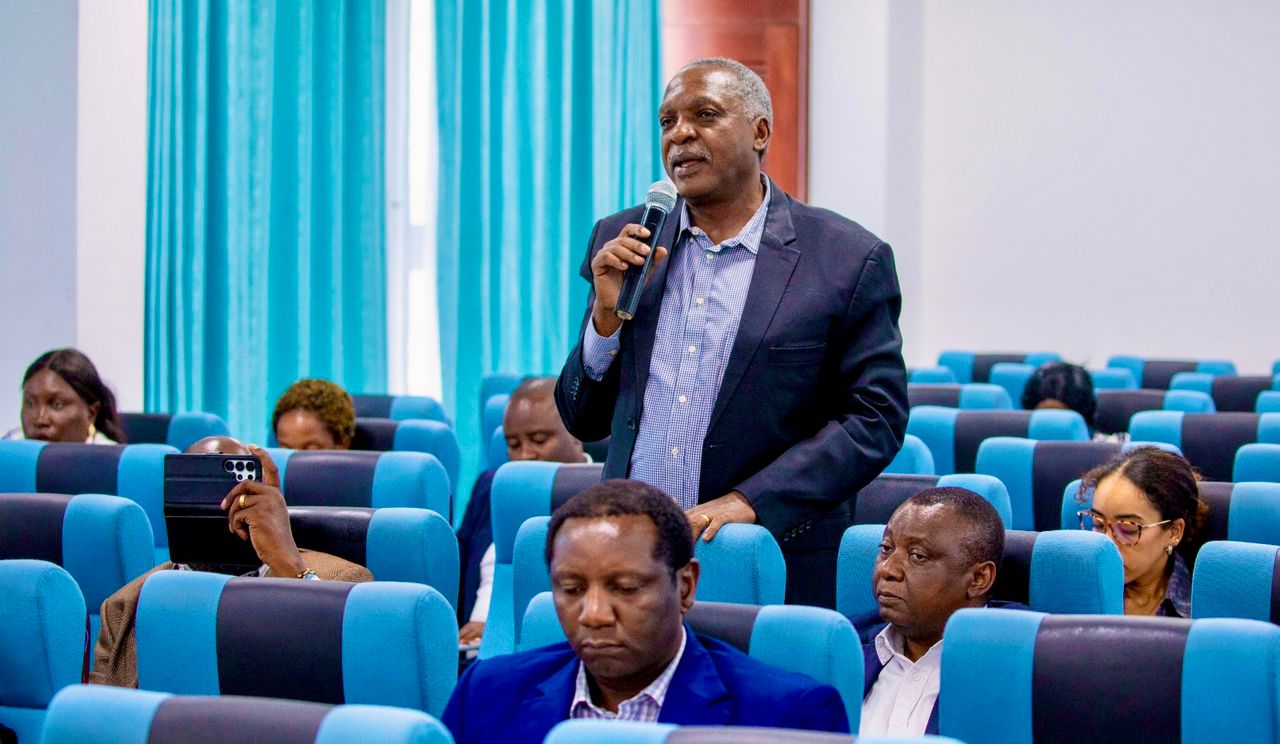
In his presentation titled “National Digital Education Strategy,” Dr. Alcardo Barakabitze explained that the guidelines were developed based on various local and international policies and frameworks.
These include Tanzania Development Vision (DIRA) 2050, Education and Training Policy 2014 (2023 edition), Five-Year Development Plan III (2021/22–2025/26), Education Sector Development Programme (2025/26–2029/30), National ICT Policy (2016), African Union Agenda 2063 – The Africa We Want, Sustainable Development Goals (SDG) 2030, and UNESCO Guidelines for ICT in Education Policies and Master Plans (2023).
About The Author
