





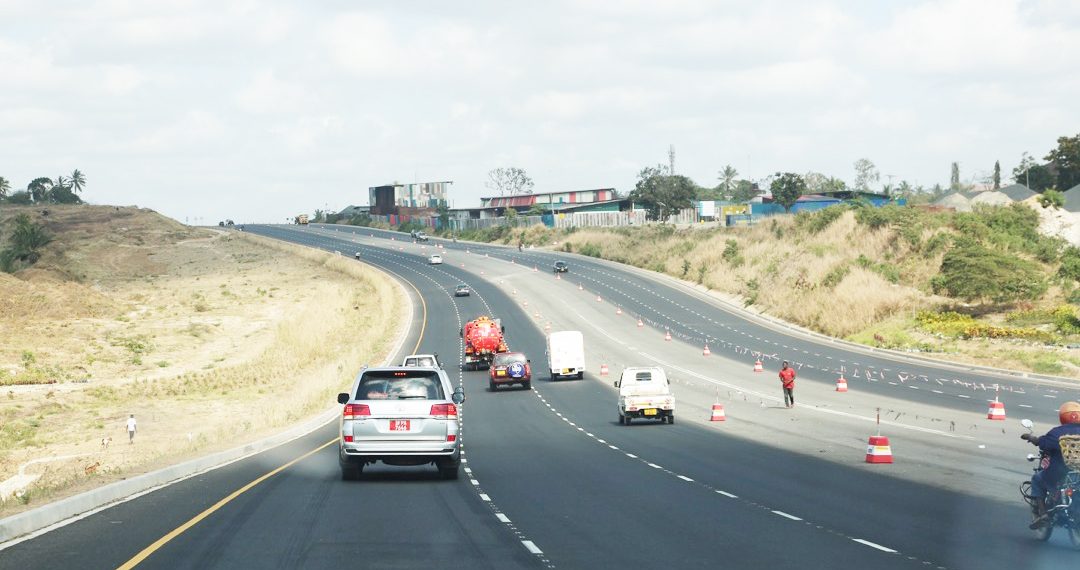
DODOMA: The Government of Tanzania is accelerating investments to upgrade and preserve the country’s road infrastructure, as part of a robust strategy to fast-track socio-economic development.
Road infrastructure projects in Tanzania are managed by three key state-owned institutions, the Tanzania National Roads Agency (TANROADS), the Tanzania Rural and Urban Roads Agency (TARURA), and the Road Fund Board (RFB).
To ensure the effective development of this vital economic sector, the Road Fund Board has allocated 983.9bn/- for the current fiscal year to finance road maintenance projects nationwide.
Established in 2000, the Board is responsible for mobilising resources, collecting road tolls and fuel levies, and allocating funds to relevant road agencies, primarily TANROADS and TARURA.
In an exclusive statement, the Acting Chief Executive Officer of the Roads Fund, Eng. Rashid Kalimbaga, explained that maintenance priorities are determined and executed by the respective road agencies.
He stated that under the allocated budget, roads currently in good condition have been prioritised, with 100 percent of required maintenance funds secured to prevent their deterioration.
“The role of the Road Fund Board is to monitor and ensure that maintenance works are executed, reflecting value for the money allocated to the road agencies,” he said.
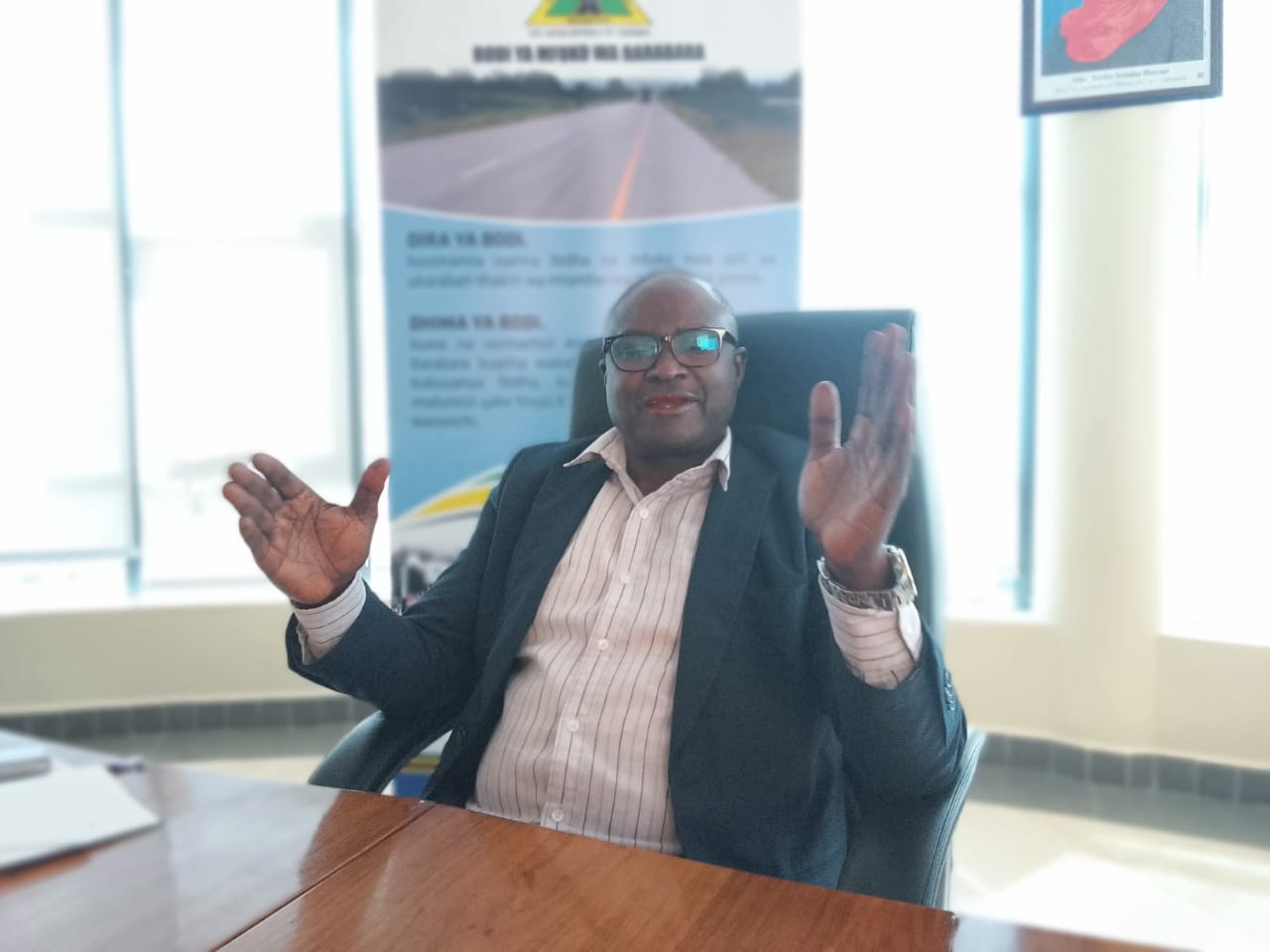
Eng. Kalimbaga commended the government for its steadfast support of the Board’s operations, which has significantly boosted the Fund’s income.
He reported that between the 2019/20 and 2024/25 financial years, the Fund’s revenue grew from 841.5bn/- to 1.2 trillion/-, an increase of 382bn/- (45 percent).
“This increase is a result of strengthened economic activities, improved port efficiency, and the peace and stability in Tanzania and neighbouring countries that use our ports,” he observed.
Also read: Tanzania Hosts IAEA Delegation, Charts Ambitious Nuclear Future
The Fund’s revenue streams include fuel levies, transit charges, and overloading fees.
The fuel levy contributes over 97 percent of the income, with a charge of 263/- per litre of petrol and diesel. For transit, vehicles with up to three axles are charged $6 per 100km, while those with more than three axles are charged $10 per 100km.
“Through these charges, road users contribute to maintenance, compensating for the wear and tear caused by their vehicles,” Eng. Kalimbaga explained.
The Board is also conducting studies to diversify and increase revenue sources, including strengthening the monitoring of existing collections.
All projects funded by the Board and implemented by TANROADS and TARURA are approved by Parliament, with annual implementation agreements signed for each.
“To a large extent, TANROADS and TARURA are using the Fund’s resources transparently and fully. This is verified not only through their reports but also through monitoring by the Board’s experts,” he stated.
Looking ahead, the Board aims to enhance its performance by integrating technology into daily operations, building staff capacity through training, and improving cooperation with stakeholders and road users to share experiences.
Despite these achievements, Eng. Kalimbaga noted challenges, primarily a growing demand for maintenance funds that exceeds current capacity, driven by the expanding road network, increased traffic volume, and the impacts of climate change.
About The Author