







Summary
Tanzania is currently implementing a 10-year long campaign (2024–2034), to transition 80 percent of its population to clean cooking energy, such as LPG, electricity, and biogas.
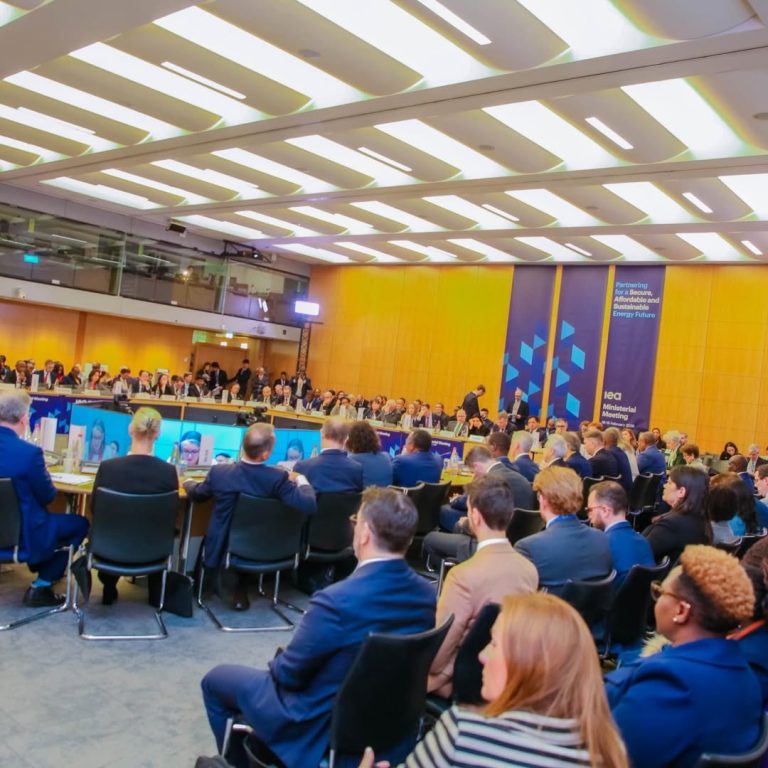
PARIS: IN decisive efforts to spur access and use of clean energy across the country, Tanzania has participated in a High-Level Ministerial Dialogue organized by the International Energy Agency (IEA) taking place in Paris, France.
The round-table dialogue held on February 18, 2026 in Paris focused to discuss and set key strategies to expand access to energy for all and accelerate the implementation of clean cooking energy solutions.
Moreover, the forum was also tailored to form part of global efforts to address the challenges of climate change and ensure access to sustainable energy for economic and social development.
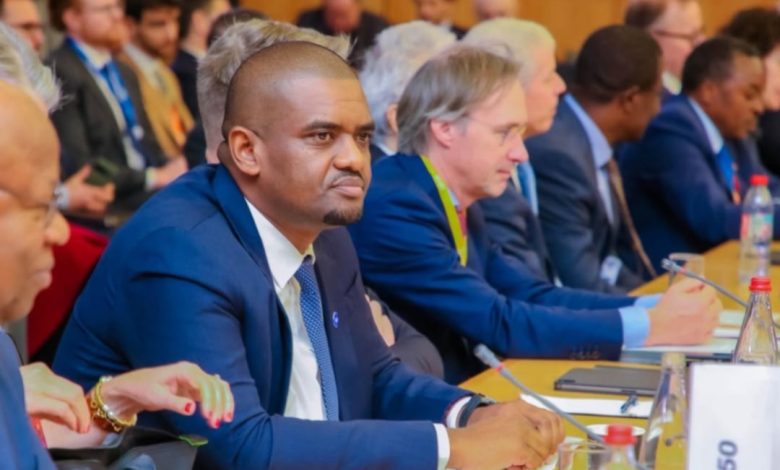
The Minister for Energy in Tanzania, Mr. Deogratius Ndejembi represented the country in the global- apex ministerial forum which delved to chart sobber ways to push for increased access of environmental friendly cooking energy.
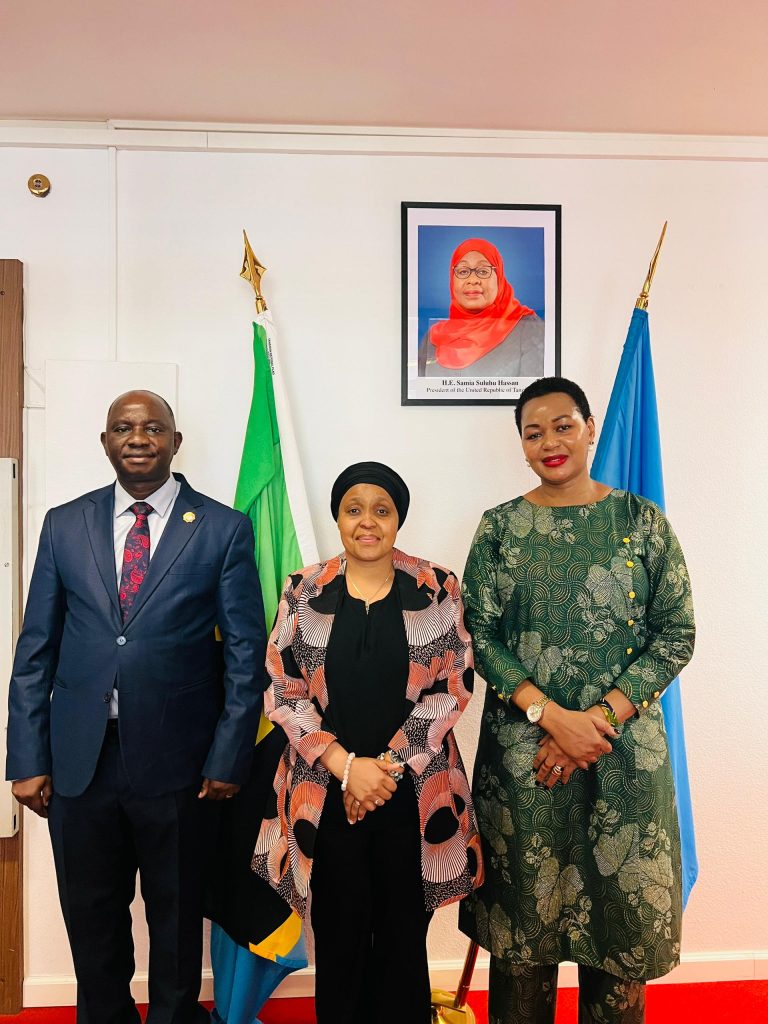
During the event, Mr. Ndejembi was accompanied by Tanzania’s Ambassador to France, Mr. Ali Jabir Mwadini, as well as experts from the Ministry of Energy and officials from the Tanzanian Embassy in France.
Tanzania’s participation in the dialogue demonstrates the government’s commitment to strengthening international cooperation in the energy sector while advancing the agenda of clean, safe, and accessible energy for all citizens.
Mapped on the eastern coast of Africa, just south of the equator in the East African region, Tanzania is currently implementing a 10-year long campaign (2024–2034), to transition 80 percent of its population to clean cooking energy, such as LPG, electricity, and biogas.
Backed by a 130 billion strategy, the initiative aims to reduce reliance on charcoal and firewood, combating deforestation and improving health, with central focus areas include lowering costs, promoting technology, and public.
Key Aspects of the Campaign
Goal: Achieve 80 percent adoption of clean cooking solutions by 2034.
Strategy Components: The government is reducing taxes on clean cooking appliances, promoting electric pressure cookers and biogas, and encouraging private sector investment.
Targeted Solutions: Key, sustainable alternatives include liquefied petroleum gas (LPG), electricity, and advanced bioethanol.
Awareness & Outreach: The Ministry of Energy is conducting nationwide campaigns, including in marketplaces and bus terminals, to educate users on the benefits of switching from traditional biomass.
Overcoming Barriers: The campaign addresses the high upfront costs of technology through market-based approaches and, in some areas, by introducing Pay-As-You-Go (PAYGO) options for cooking appliances.
Environmental & Health Impact
The initiative is critical to fighting climate change and deforestation, as Tanzania loses approximately 469,420 hectares of forest annually due to charcoal and firewood consumption.
Furthermore, it aims to reduce respiratory illnesses caused by household smoke, especially among women and children.