







Summary
The vision is to seek for state support towards the students enrolled in high-cost programs
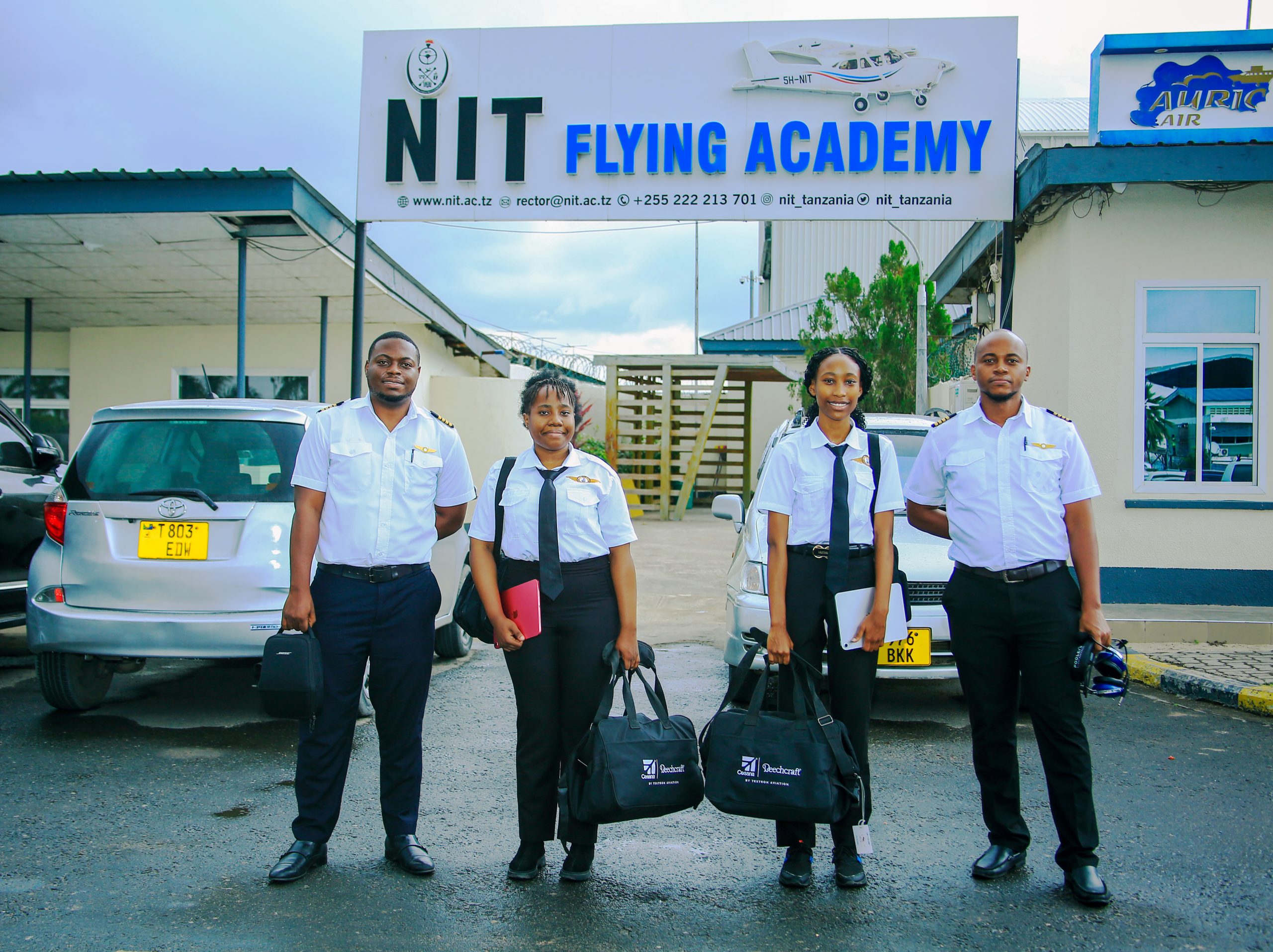
DAR ES SALAAM: The government has been urged to incorporate pilot trainees at the National Institute of Transport (NIT) into the higher education loan scheme, in order to alleviate the burden of exorbitant tuition fees and ensure they can complete their studies without financial hindrance.
This recommendation was put forward by the Parliamentary Committee on Infrastructure, which emphasized the necessity of state support for students enrolled in high-cost programs.
Speaking to the press on February 16, 2026, on behalf of the Committee Chairperson during an institutional visit, Mr. Johnston Mutasingwa highlighted that certain courses, especially pilot training, involve substantial expenses and would benefit significantly from government-backed student loans.
“We have observed that the fees for some programs are prohibitively high. It is imperative that the government integrates these students into the loan framework to mitigate the severe financial pressure of tuition,” he stated.
He further elaborated that providing loans would offer crucial assistance to students undertaking expensive professional qualifications, underscoring the objective of preventing any learner from discontinuing their education due to an inability to cover costs.
Beyond the loan proposal, the Committee also recommended that the government, via NIT, acquire two training aircraft for pilot students. This initiative is intended to upgrade training infrastructure and elevate the standard of aviation education.
Mr. Mutasingwa stressed the significance of this investment, explaining that access to dedicated training aircraft would streamline pilot preparation and better equip the country to satisfy the rising demand within the aviation industry.
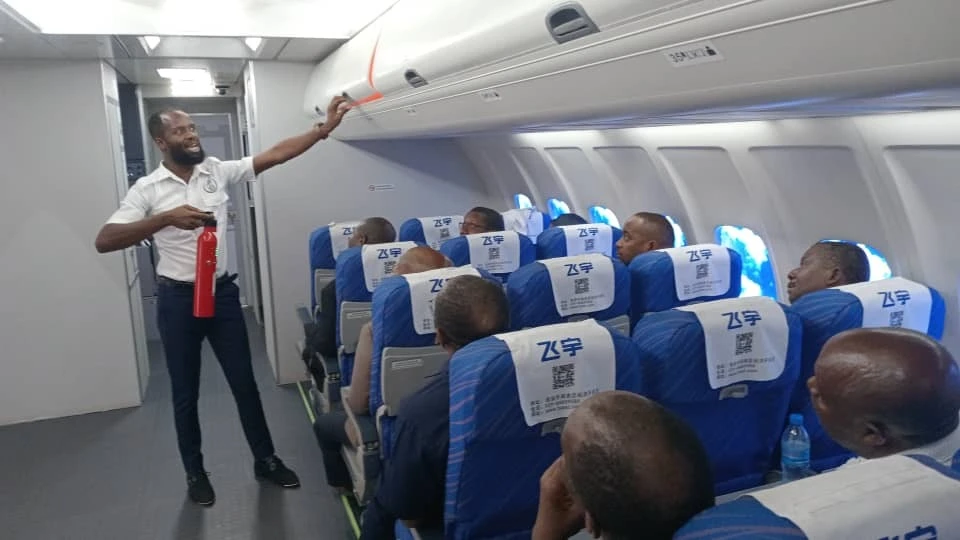
In response, the Rector of the National Institute of Transport, Prof. Prosper Mgaya, acknowledged the acute demand for aviation professionals, disclosing that Tanzania currently experiences a shortage of up to 50 percent in this sector.
“Strategic investment in training is critical to bridging this gap,” he affirmed.
He added that the institute intends to procure two training aircraft to align instructional capacity with academic requirements and to more effectively address the practical needs of the aviation industry.