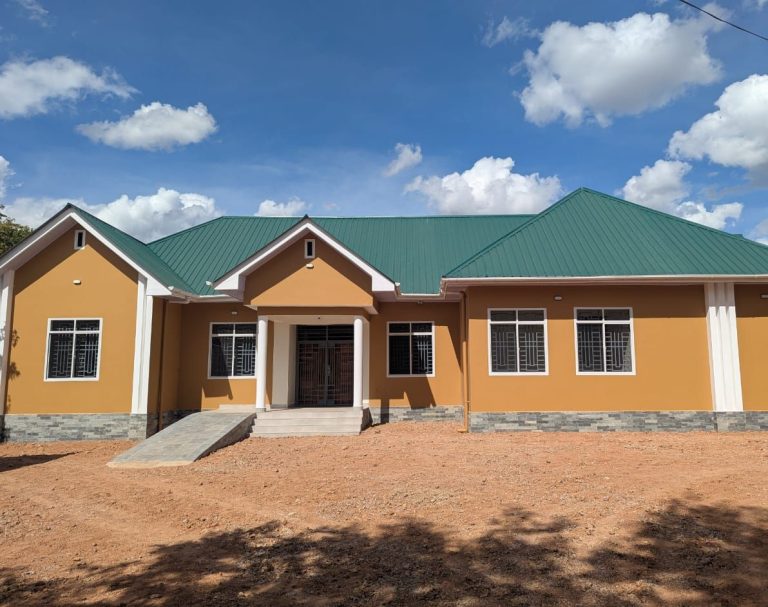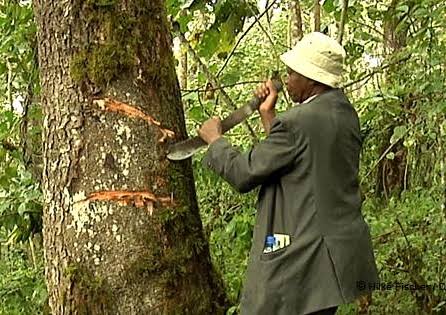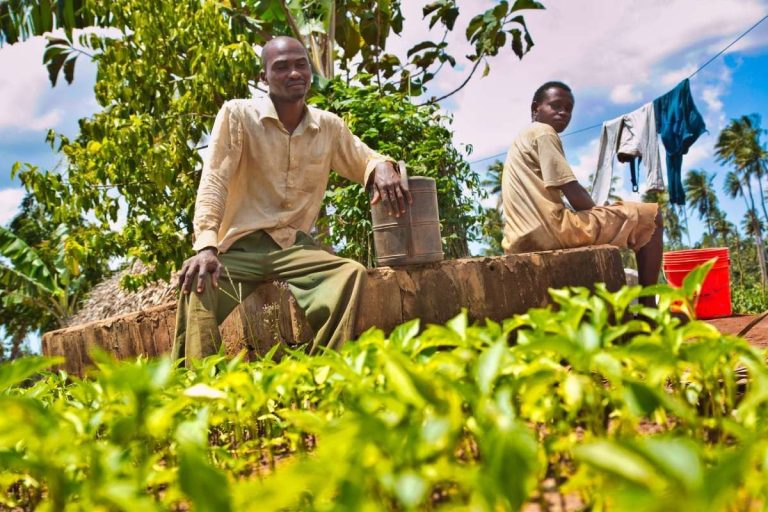








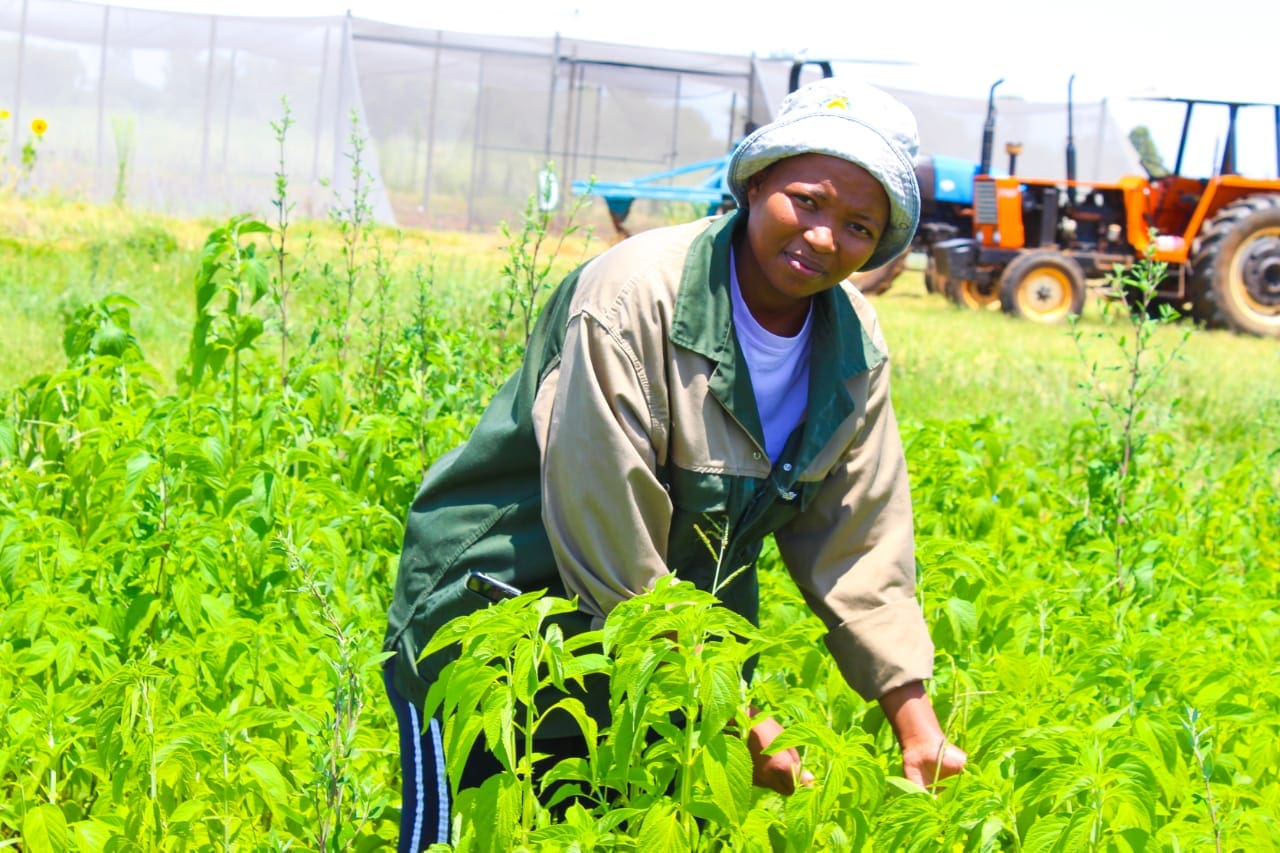
Headquartered on a 46-acre site in Nala, on the outskirts of the capital Dodoma, ITRACOM manufactures fertilizers that address soil fertility challenges across East Africa.
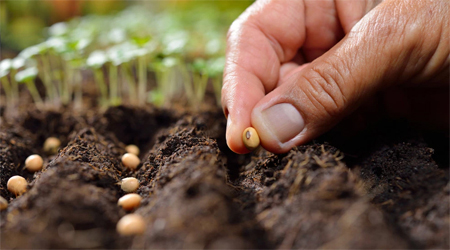
DODOMA: FARMERS cultivating beans, paddy, and maize are set to benefit from increased seed variety options, following plans by ITRACOM Fertilizers Limited to venture into the production of improved kernels for these key cash crops.
The company is currently working to secure substantial land in the Southern Highlands Zone to establish extensive seed production estates.
The move, welcomed as a potential boost for Tanzania’s maize, paddy bean and legume sub- sectors, said the ITRACOM’s Director of Business Development and Marketing, Ms. Claudia Kimako.
This expansion into seed production builds on the company’s established success in producing and distributing organomineral fertilizers to farmers across all 26 mainland regions.
“The vision is to better position local farmers to access sufficient, high-quality seeds to boost their production and productivity,” Ms. Kimako stated.
She explained that the planned project for improved kernel production will be implemented in close professional collaboration with key authorities, including the Tanzania Agricultural Research Institute (TARI) and the Tanzania Official Seed Certification Institute (TOSCI).
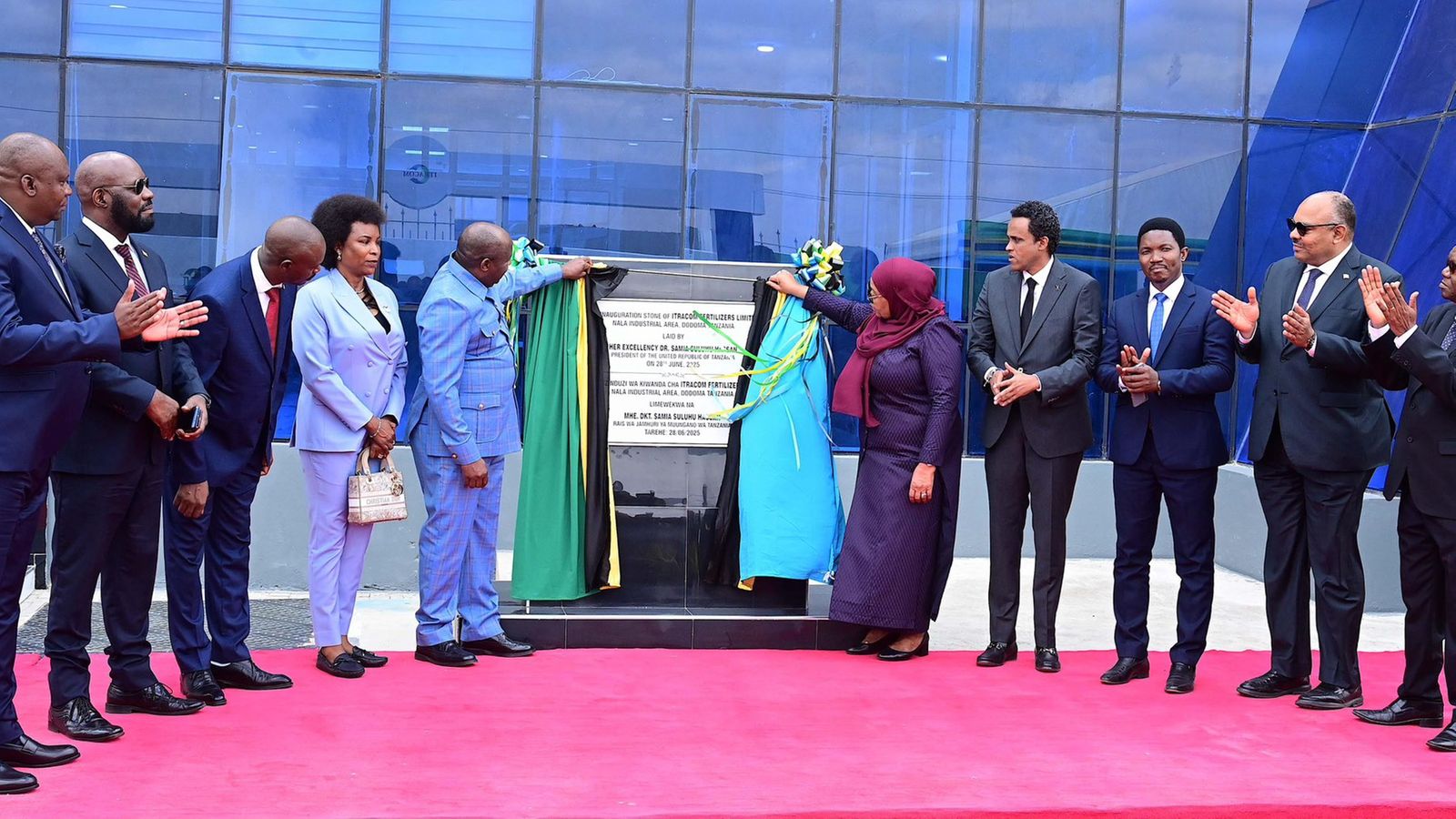
Headquartered on a 46-acre site in Nala, on the outskirts of the capital Dodoma, ITRACOM manufactures fertilizers that address soil fertility challenges across East Africa.
The company currently operates 156 storage towers nationwide, along with several mini-production plants.
During the 2024/25 season, ITRACOM produced over 800,000 metric tons of fertilizer as part of its efforts to enhance the performance of Tanzania’s vital agricultural sector.
“Our fertilizers have become the preferred choice for farmers nationwide due to their quality, blending natural nutrients with chemical components, all at affordable prices,” said Ms. Kimako.
Since 2023, the company has exported fertilizers to Kenya, Burundi, and Uganda, with negotiations underway to expand exports to Malawi and other African nations.
ITRACOM’s Deputy Managing Director, Dr. Joel Meliyo, noted that prior to commencing production, the company conducted extensive research, dissemination, and performance evaluations to ensure its fertilizers meet required standards.
“These initiatives were carried out in collaboration with key agricultural experts from TARI, the Tanzania Fertilizer Regulatory Authority (TFRA), universities, seed companies, and district councils,” he said.
Dr. Meliyo emphasized the importance of educating farmers on the benefits of fertilizer use for improving productivity. He also urged the government to continue developing supportive funding programs for local fertilizer manufacturers to help meet national annual demand.
“It would also be prudent for the government to consider reducing fertilizer imports to allow local factories to thrive,” he added.
Organomineral fertilizers combine organic matter, such as cow dung, and locally available rocks like phosphate with mineral nutrients from sources including Urea and Diammonium Phosphate (DAP), offering balanced nutrition to enhance crop yields.
SEED PRODUCTION IN TANZANIA’S SOUTHERN HIGHLANDS
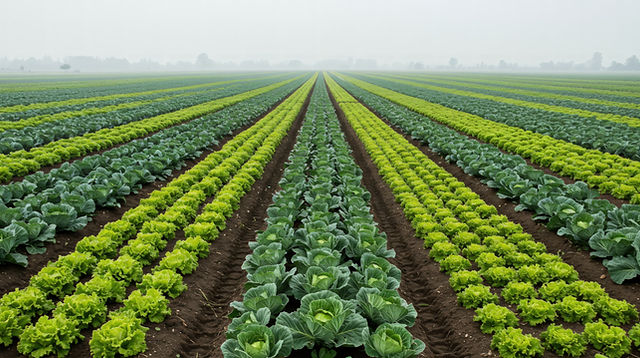
Tanzania’s Southern Highlands, encompassing regions like Iringa, Mbeya, Njombe, and Songwe, is a vital area for seed production.
The region leverages favorable climates for multiple growing seasons to produce seeds for potatoes, beans, and vegetables, though it faces challenges such as erratic rainfall and diseases like potato late blight (‘Fango’).
KEY PLAYERS AND STRUCTURE
RESEARCH: Research Institutes like the ARI Uyole develop breeder seeds suited to local conditions.
MULTIPLICATION: The Agricultural Seed Agency (ASA) and private firms handle foundation and certified seed production.
PRIVATE SECTOR: Companies like Seed Co. process and market seeds, with a focus on hybrids.
FARMER GROUPS: Organizations and cooperatives, such as the Zinduka Women’s group, play a crucial role in local seed multiplication and distribution.
GOVERNMENT: Regulation and policy are overseen by bodies like the Tanzania Seed Traders Association (TASTA).
KEY CROPS AND POTENTIAL
Potatoes: Iringa has significant potential to supply East Africa, with initiatives focused on increasing access to certified seed potatoes.
Beans: Bean seed multiplication is well-established, with farmer groups boosting local supply and income.
Vegetables and Fruits: The region holds immense potential for horticulture, with initiatives promoting inclusive business in the sector.
Cereals: While maize, sorghum, and millet are widely grown, there is also a focus on hybrid seeds for cereals like maize, wheat, and sorghum.
CHALLENGES
Climate: Erratic rainfall and droughts impact yields.
Diseases: Pests and diseases, like ‘Fango’ in potatoes, remain a persistent issue.
Input Access: Ensuring consistent availability of certified seeds for smallholder farmers is an ongoing challenge.
DEVELOPMENTS AND INITIATIVES
Seed Processing: Investments in processing plants (e.g., in Iringa) to clean, grade, and treat seeds.
PPP Models: Public-Private Partnerships, often with organizations like AGRA, aim to boost access to quality seeds like seed potatoes.
Multi-Stakeholder Platforms: Groups such as the Southern Groundnut Platform (SGP) enhance seed system networks.
Technology Adoption: Introduction of labor-saving technologies and improved seed varieties.