










WORLD Cancer Day 2026 is just around the corner! This is the second year of the new ‘United by Unique’ campaign, which focuses on a people-centred approach to cancer care.
Thousands of individuals, organisations, and communities around the world will mark World Cancer Day 2026 on 4 February 2026.
The second year of the ‘United by Unique’ campaign asks: what does it take to deliver cancer care that genuinely meets people’s needs?
Diverse group of people in branded World Cancer Day sweatshirts standing before the Mont Blanc bridge in Geneva flying World Cancer Day flags
World Cancer Day 2026 is just around the corner! This is the second year of the new ‘United by Unique’ campaign, which focuses on a people-centred approach to cancer care.
This approach aims to place individuals, families, and communities at the heart of health systems.
It means not just treating the disease, but adopting the perspectives and experiences of individuals, carers, families and communities as participants in, and beneficiaries of, trusted health systems that respond to their needs and preferences in holistic ways.
After a first year focused on raising awareness of the importance of people-centred care, UICC is shifting the emphasis in 2026 toward real-world experiences.
People affected by cancer – those who have had cancer themselves, their caregivers, health professionals – are ideally placed to help identify what is missing from care systems, and what actually works in practice, in different settings.
Last year, World Cancer Day saw over 900 activities and events in more than 107 countries, and more than 600 stories in text, video, and art form on the website.
The hashtag #WorldCancerDay gathered more than 530,000 social media posts and the day featured in some 30,000 press mentions in 162 countries.
What to expect ahead of 4 February
UICC continues to collect stories from around the world, now with added questions that shed light on cultural and socioeconomic factors influencing care. These insights are being used to inform public discourse and help shape future efforts to improve health systems.
A new creative project, ‘12 people. 12 cameras. 12 months.’, supported by Fujifilm, documents the everyday realities of individuals affected by cancer, capturing emotional and social aspects of care too often overlooked.
Updated campaign materials are available to support local activities and media coverage, and the Upside Down Challenge inviting people to post upside-down photos or videos to reflect how cancer disrupts lives.
“Today on 4 February, we come together once again to mark World Cancer Day – a day of unity, action, and hope. The World Cancer Day theme ‘United by Unique’ places people at the centre of care and their stories at the heart of the conversation.
“Every individual facing cancer has a unique story, a unique experience – and yet, we’re all united by our shared commitment to create a world where we look beyond the disease and see the person before the patient.” said Cary Adams, CEO of UICC.
ABOUT World Cancer Day
World Cancer Day is a global awareness day organized by the Union of International Cancer Control (UICC) every February 4th.
2026 marks the second year of the United by Unique® campaign. According to UICC, we are “united in our goals, unique in our needs… Every experience with cancer is unique and it will take all of us, united, to create a world where we look beyond the disease and see the person before the patient.”
NCCN stands united with every unique person touched by cancer, by providing free, trustworthy, award-winning information to improve outcomes and empower shared decision making.
CANCER IN TANZANIA
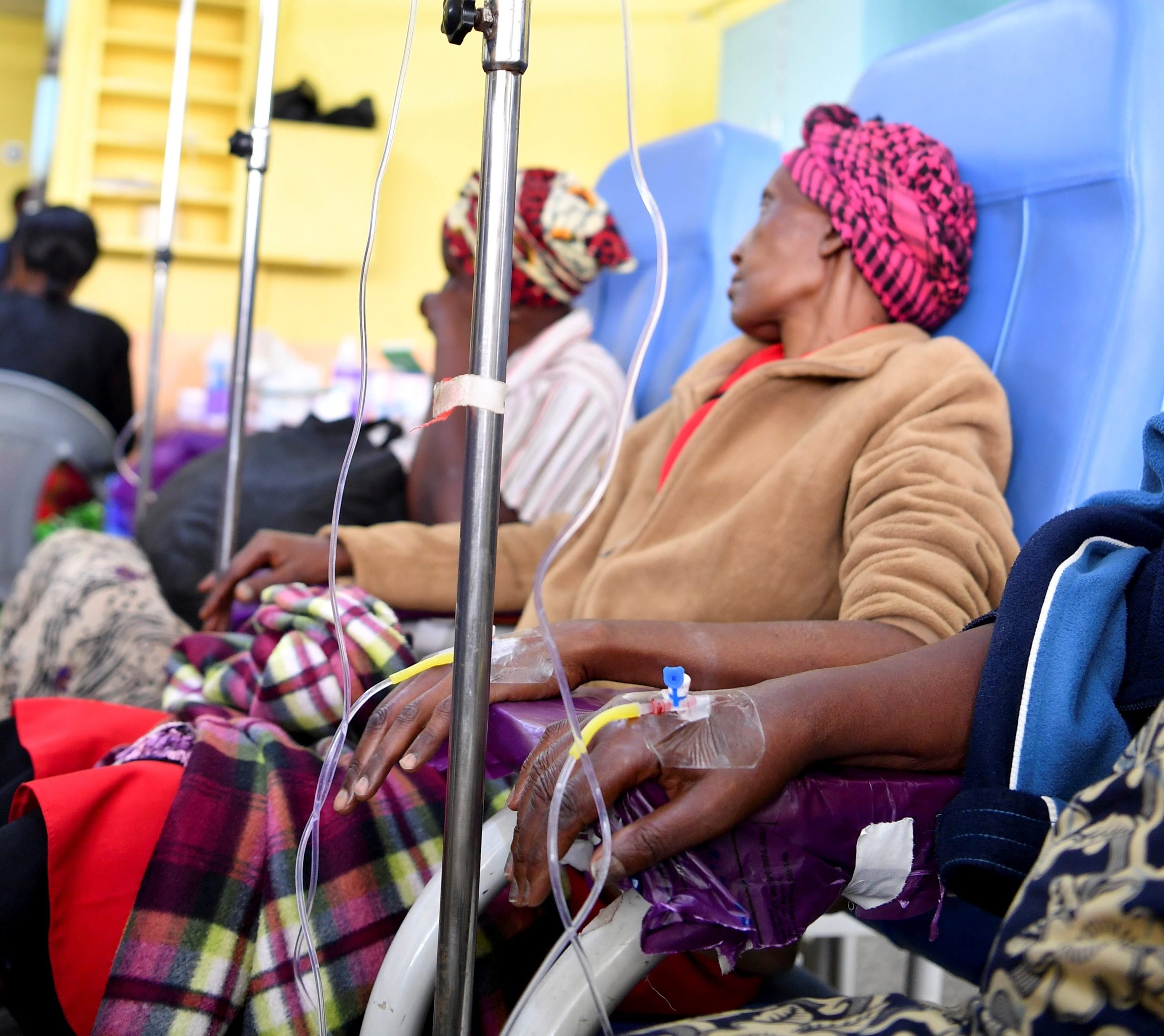
Cancer is a growing public health concern in Tanzania, with over 40,000 new cases annually, particularly cervical (women) and prostate (men) cancers, but faced with significant challenges like late diagnosis (80-90 percent late presentation), limited treatment facilities, and low awareness, leading to high mortality, though efforts are increasing to improve screening and care through initiatives like the Tanzania Comprehensive Cancer Project (TCCP) and specialized centers.
Key Facts
Prevalence: Over 40,000 new cases yearly, with a significant rise expected.
Common Cancers:
Women: Cervical (most common), breast.
Men: Prostate (nearly half of cases), esophageal.
Overall: Cancers of the cervix, esophagus, and liver are major causes of death.
Mortality: High mortality, with 80 percent of cases in Sub-Saharan Africa facing poor outcomes, and a high percentage of Tanzanian patients presenting too late for curative treatment.
Challenges
Late Presentation: Most patients (80-90percent) access care too late for effective treatment.
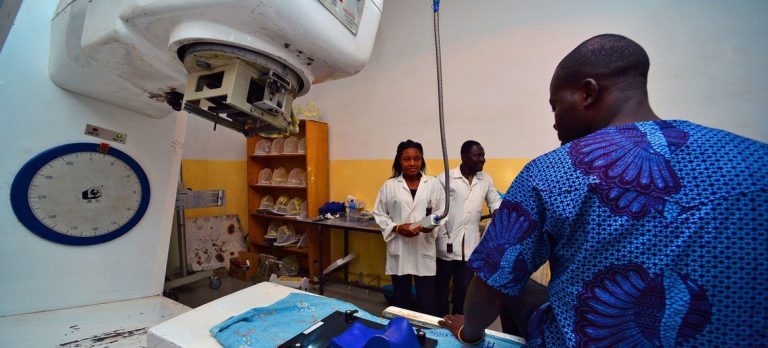
Limited Resources: Few cancer care facilities (e.g., only 3 centers for the whole country), leading to a low ratio of oncologists to patients (over 5,000:1).
Awareness Gaps: While tobacco/alcohol awareness is good, awareness of infection-related risks (HIV, HPV) and specific cancer symptoms needs improvement.
Progress and Initiatives
Government and NGOs: The government, alongside organizations like the Foundation for Cancer Care in Tanzania (FCCT) and the IAEA, is working to improve control.
Screening Programs: The Tanzania Comprehensive Cancer Project (TCCP) (TCCP) conducts free screenings for cervical, breast, and prostate cancers, sensitizing millions.
New Facilities: Establishment of cancer care centers, like the Kilimanjaro Christian Medical Centre’s Cancer Care Centre (KCMCCCC) and new facilities in Dar es Salaam.
Outlook
Tanzania faces a growing cancer burden, but increasing investment in early detection, awareness, and specialized care offers hope for improved outcomes.