










Established in 1959, Ngorongoro Conservation Area is a unique “multiple land use” area where indigenous Maasai people graze livestock alongside dense wildlife populations, including the “Big Five” (lion, leopard, elephant, rhino, buffalo)
ARUSHA: THE Minister for Natural Resources and Tourism, Dr Ashatu Kijaji has inauguration the new Board of Directors of the Ngorongoro Conservation Area Authority (NCCA), urged the Board’s thinking- tanks to ensure the country’s famous tourist destination is effectively protected and conserved.
Dr Kijaji insisted that insisted over the need for the implementation of a series of efforts to sustain the ecosystem of the endowed area mapped at least 180 km west of Arusha city in order to enhance its appeal to tourists.
The Minister issued the directives in Arusha during the swearing-in of the Commissioner and the inauguration of the new Board of Directors of the NCCA, noting that the protection of wildlife, forests and other biodiversity within the conservation area must remain a top priority.
In further directives, Minister Kijaji directed the Ngorongoro Conservation Area Authority (NCAA) Commissioner for Conservation, Mr. Abdul-Razaq Badru, to ensure the area is effectively protected and conserved.
Additionally, she asked the Commissioner to provide strong leadership to the Authority in order to meet national targets, including the goal of attracting eight million tourists.
According to Dr Kijaji, the Commissioner has the task to ensure that accommodation services are improved so as to attract investment that will increase bed capacity from 1,555 to 2,586.
Furthermore, Minister Kijaji expressed high optimisms that the Commissioner will implement the Authority’s three core mandates in line with laws, regulations and procedures, while applying innovation to restore Ngorongoro’s stature, citing his performance over the past seven months since his appointment.
Commenting on the new board members, she urged them to ensure effective oversight of the Authority by implementing government directives, conservation and tourism priorities outlined in the CCM 2025 Election Manifesto, and the National Development Vision 2050.
ABOUT NGORONGORO CONSERVATION AREA
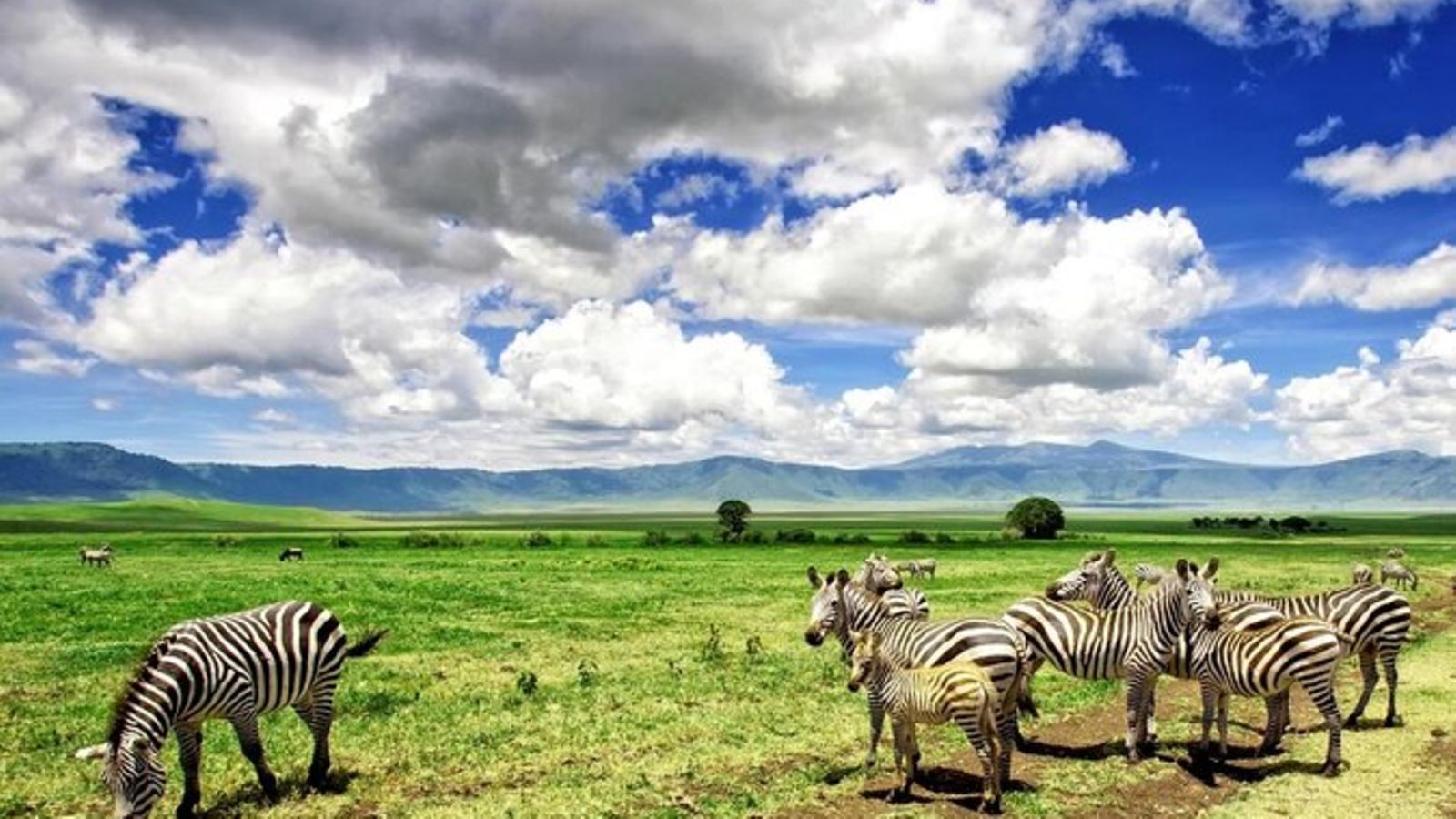
The Ngorongoro Conservation Area (NCA) in northern Tanzania is a 8,000 km UNESCO World Heritage site renowned for the 600-meter-deep Ngorongoro Crater, the world’s largest intact caldera.
Established in 1959, it is a unique “multiple land use” area where indigenous Maasai people graze livestock alongside dense wildlife populations, including the “Big Five” (lion, leopard, elephant, rhino, buffalo).
Key Features and Wildlife Ngorongoro Crater:
A “garden of Eden” holding over 25,000 large animals, featuring the highest density of mammalian predators in Africa.
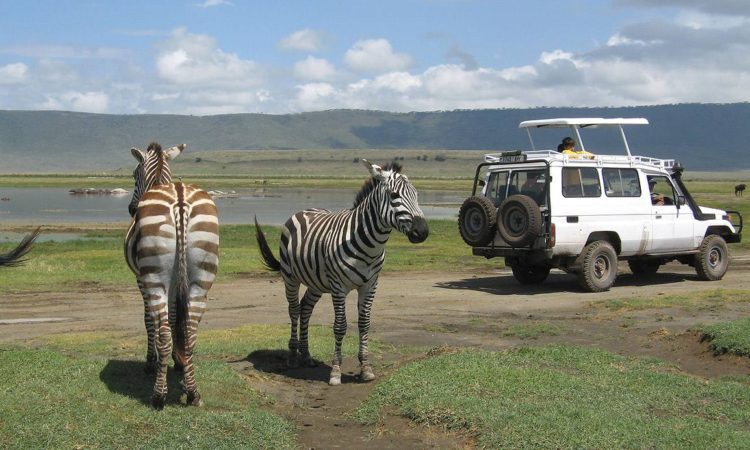
Biodiversity: Home to endangered black rhino, lions, hippos, wildebeests, and over 500 bird species.
Landscape: A diverse mix of savanna, woodlands, and highland plains that hosts part of the annual Great Migration.
Olduvai Gorge: Known as the “Cradle of Mankind,” this site within the NCA contains hominin fossils dating back millions of years.
Visitor Information and Culture Culture:
The area is home to the Maasai, Hadzabe, and Datoga people.
Climate and Clothing:
The highlands are cool; visitors should bring warm clothing and sweaters.
Activities:
Game drives in the crater, hiking, and visiting Maasai cultural bomas.
Location:
Approximately 180 km west of Arusha. The area is managed by the Ngorongoro Conservation Area Authority (NCAA), balancing conservation, tourism, and community needs.