












Currently, Tanzania exports around 14,000 tons of meat per year. To meet the national goal, this figure must increase by at least 36,000 tons within the next decade.
DODOMA. THE Tanzania National Ranching Company (NARCO) has unveiled a comprehensive strategy aimed at significantly advancing the government’s ambitious goal of exporting at least 50,000 tons of meat annually by 2030.
This target, emphasized in the National Economic Vision (Dira 2050) and the CCM party manifesto, requires synchronized efforts from all institutions under the Ministry of Livestock and Fisheries, as well as key private sector partners, to boost the productivity and profitability of the livestock sector.
Currently, Tanzania exports around 14,000 tons of meat per year. To meet the national goal, this figure must increase by at least 36,000 tons within the next decade, posing a considerable challenge for the ministry and stakeholders alike.
In an exclusive interview, NARCO Chief Executive Officer, Mr. Mohamed Zuberi Mbwana outlined a portfolio of initiatives designed to elevate meat production and quality.
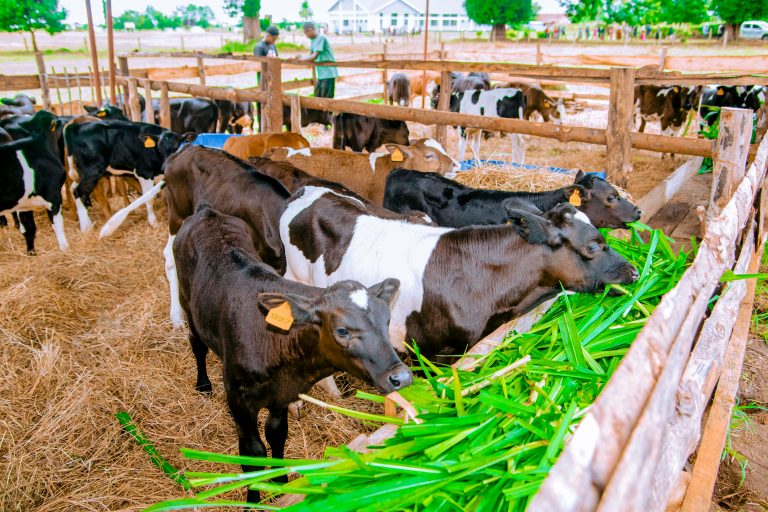
“Firstly, we are prioritizing heavy investments in cattle fattening programs, aiming to reduce the time it takes for local cattle to reach market weight from four to five years down to two years,” Mr. Mbwana explained.
He also highlighted plans to expand the use of artificial insemination (AI), focusing this year on improving the Brahman and Boran breeds.
“By crossbreeding with these high-quality breeds, we expect to enhance both the quality and market readiness of Tanzania’s local cattle significantly,” Mr. Mbwana added.
Additional efforts include launching training and sensitization programs for investors operating on NARCO ranches to encourage wider adoption of crossbreeding techniques and improve overall herd genetics.
Mr. Mbwana commended President Samia Suluhu Hassan’s leadership in implementing a five-year (2024-2029) nationwide vaccination strategy for livestock, backed by TZS 216 billion in funding.
“This vaccination campaign is critical for safeguarding the health of cattle nationwide, thereby enabling farmers to produce meat that meets stringent international standards,” he emphasized.
Despite Tanzania’s status as the continent’s second largest livestock holder, the sector has been hindered by frequent disease outbreaks.
According to official data, the country has lost export opportunities worth approximately USD 3.7 million (TZS 9.3 billion) — totaling 882,182.8 tons of potential meat exports — to markets including China, South Africa, Libya, the UAE, Mauritius, and Singapore.
To combat these setbacks and boost export volumes, President Suluhu Hassan’s government has committed TZS 216 billion to the national livestock vaccination program.
This initiative targets increasing meat exports to 30,000 tons by 2029, more than doubling current levels. Expected export revenues are projected to soar from USD 51.9 million to over USD 152 million.
With coordinated efforts between government agencies, state-owned enterprises like NARCO, and private investors, Tanzania is positioning itself to become a leading meat exporter in Africa by 2030.