







The Much- Needed Vision By The Government To Transform Tanzania Into The Food Basket Of Africa By 2030 Might Not See The Light Of The Day If Serious Measures And Policies Will Not Be Put In Place, And Implemented Accordingly.
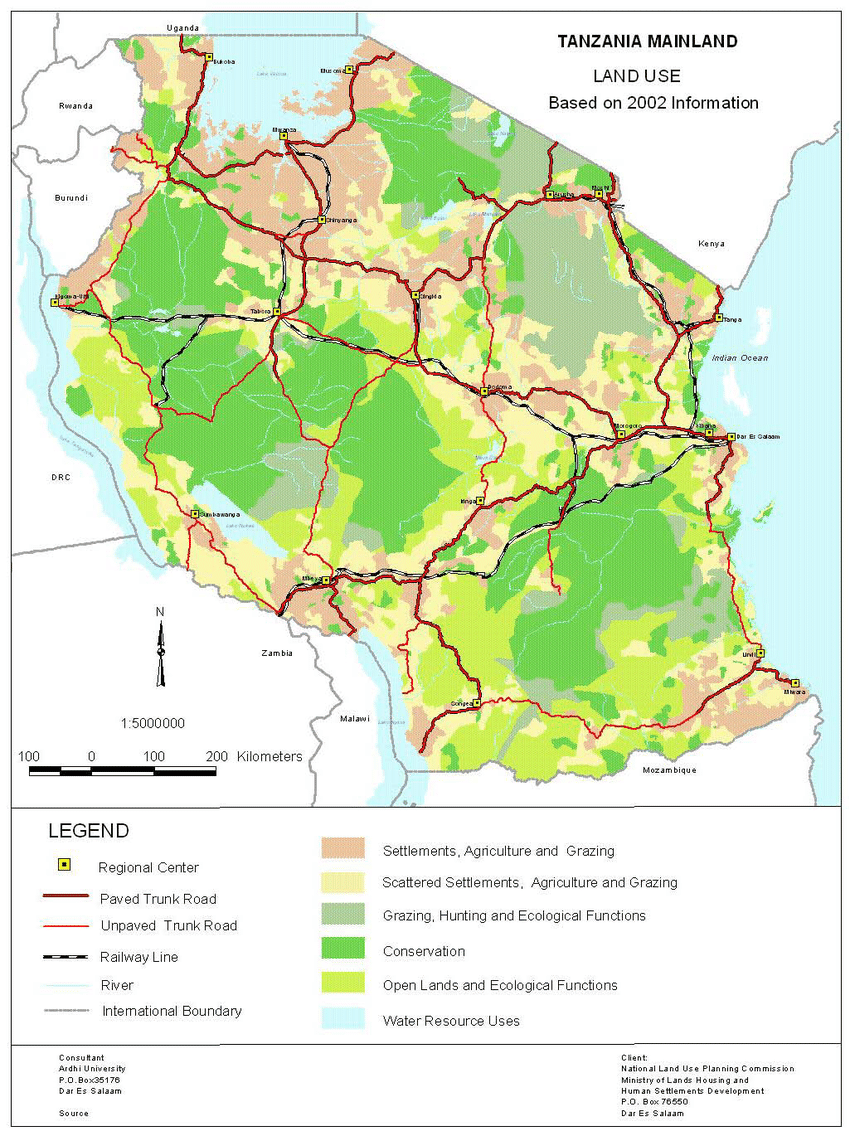
DODOMA. THE government is planning to embark on a countrywide exercise for the renewal of national land use map and it policies for the protection of land use.
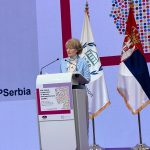
The vital development has been unveiled by the Deputy Permanent Secretary (PS) in the ministry of agriculture, Dr. Steve Nindi.
He revealed the plan in his remarks at the event for the celebrations of this year’s World soil day which was observed at the national level in Dodoma Capital City by attracting a series of events.
Dr. Nindi noted that, while compiling the land use policy in 1995, the general land in the country was two percent, village land was 70 percent whereby the land set aside for conserved purpose was 28 percent, making a total of 100 percent.
He observed, during the improvement of the vital policy, in 2025, the country’s general land was expanded from two to ten percent, conserved land also heightened from 28 to between 33 and 34 percent, whereby the land meant for village use shrank to 56 from 70 percent.
“This experience proves that land use in Tanzania kept on changing due to time and development of human population and activities,” he observed.
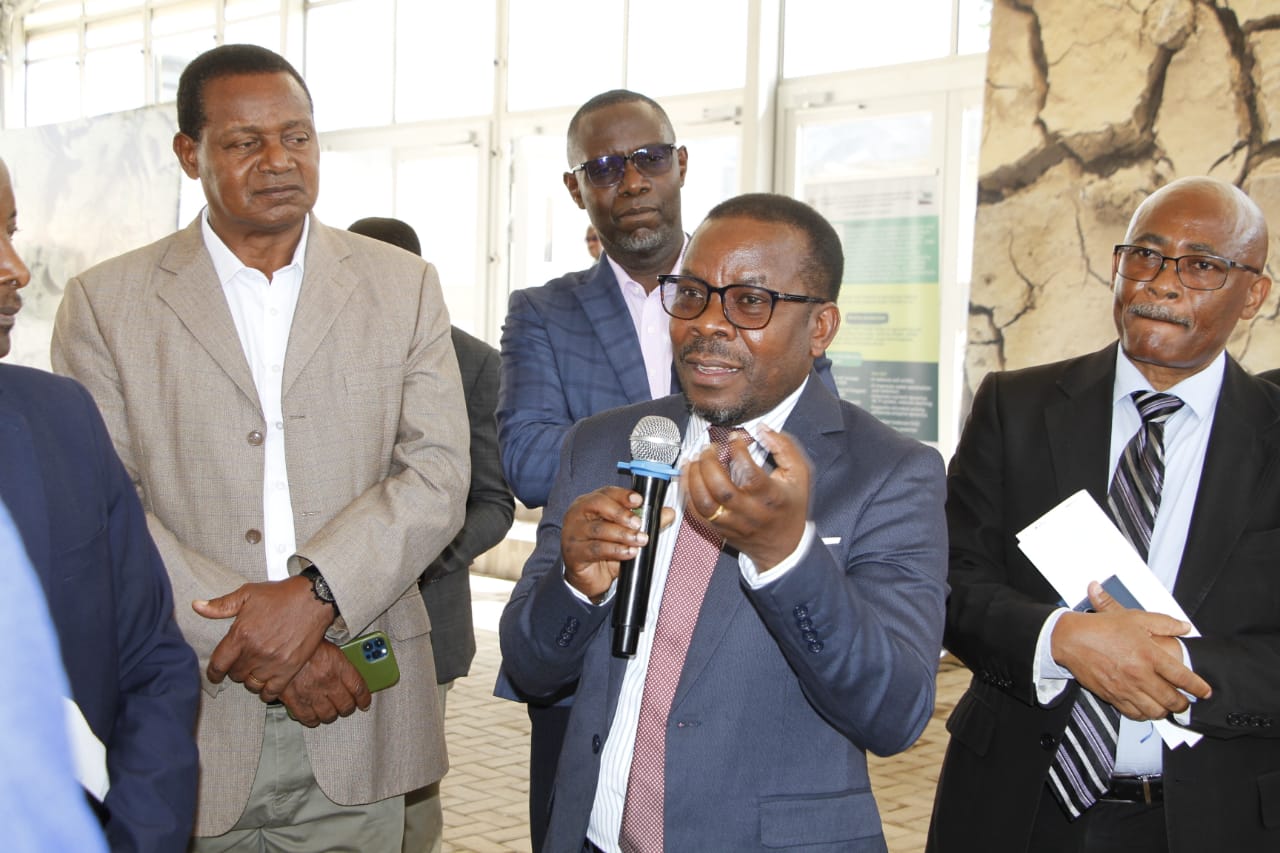
Dr. Steve Nindi
Basing on this fact, Dr. Nindi said the government has realized over the need to conduct a fresh exercise for getting the reflective land use in the country.
“Since 2025, when the country compiled the last land use mapping, a number of changes have so far happened, including expansion of conserved areas, erection of cities, encroachment of agricultural and livestock grazing areas to pave way for human settlements and other socioeconomic development projects, ” he stated.
Due to such changes in land use across the country, Dr Nindi said it was now prudent to develop the new land use mapping, one to be conducted with the latest cloud – connected facilities to show the available land for agriculture, grazing, city development and others.
” It is also disconcerting and unprofessional that there are no serious policies for the protection of the land set aside for agriculture and livestock grazing,” he added.
He warned, the much- needed vision by the government to transform Tanzania into the food basket of Africa by 2030 might not see the light of the day if serious measures and policies will not be put in place, and implemented accordingly.
” As per the national development vision 2050, Tanzania is eying to improve her agriculture and livestock sectors to the tune of feeding itself, as well as feeding the outside nations, the high aspiration which calls for effective plans over land use needed for the flourishing of the two economic facets,’ Dr. Nindi insisted.
And in the whole process for the compilation of the envisaged land use mapping, the PS directed the Deputy Permanent Secretary (PS) at the office of Vice- President Office ( Environment), Prof Peter Msoffe, to champion the exercise in cooperation with the Ministry of Livestock, the Tanzania Agricultural Research Institute (TARI), Tanzania Forest Research Institute (TAFORI) and the Tanzania Livestock Research Institute (TALIRI).
“The data to be collected, and the land use map to be developed must be computerized in a cloud- connected format and made available to the all relevant consumers across the country,” he directed.
In his further directives, he called upon the mentioned institutes to bridge efforts in the conduction of soil health testing across the country and ensure the relevant results are channelled to the farmers in the country in order to boost production and productivity in the food production sector.
In the same vein, he emphasized over the need for scaling up collective efforts, and projects meant to negate unfriendly human activities that leads to soil health destruction.
This year’s World soil health was celebrated under the theme of “Healthy Soils for Healthy Cites”, whereby among the key events staged for the purpose included helping of a special forum, one which attracted under the same roof key stakeholders.
The stakeholders attended the forum were the soil health researchers from agricultural- based institutions, universities, farmers from across the and the secondary school students.