








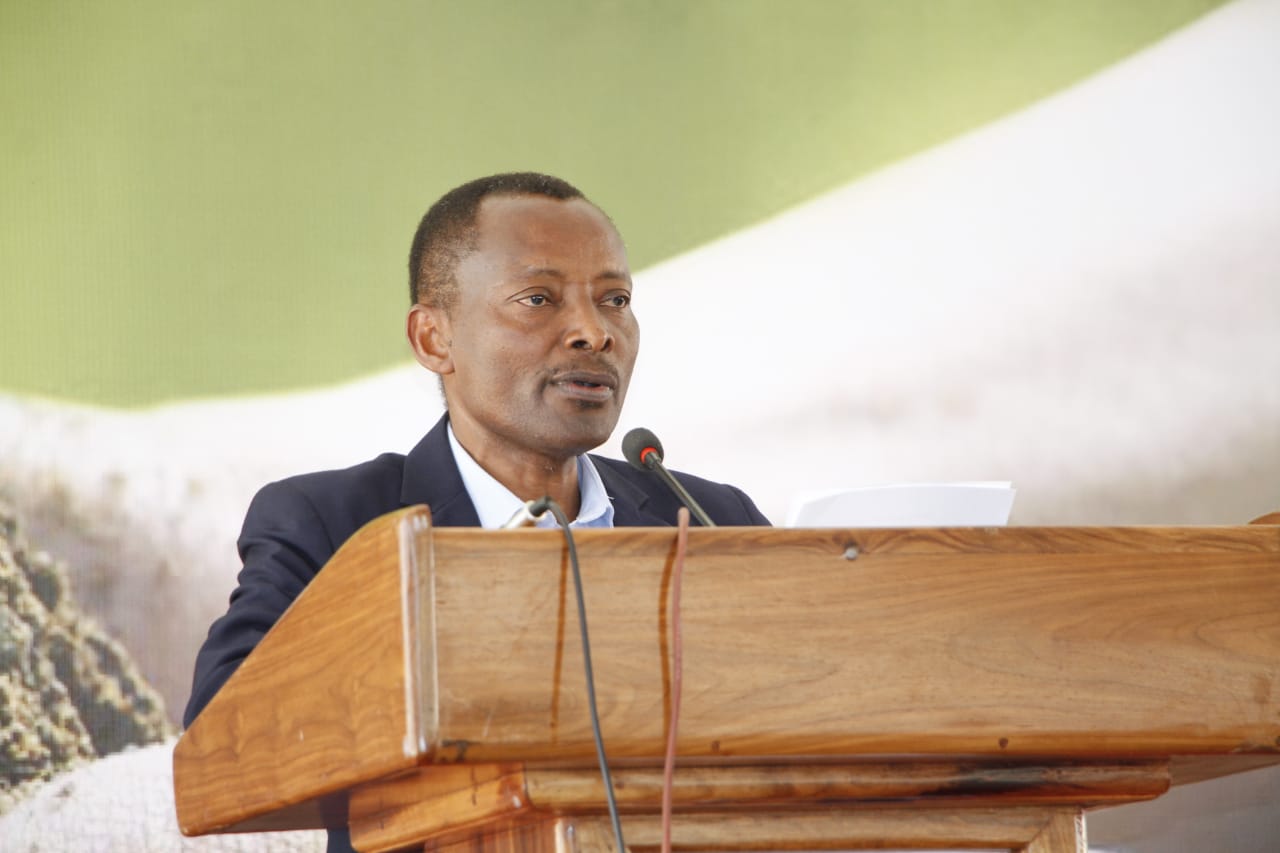
Dr. Thomas Bwana, the Director General of the Tanzania Agricultural Research Institute
Soil health testing is vital as the exercise assists the farmers to understand the types of crops to be grown in their respective farming locations, seed variety and fertilizers to be applied, extent of water to be irrigated as well as other proper inputs necessary to be used.
DODOMA. REPRESENTATIVES from different soil and agricultural institutions and stakeholders have convened in Dodoma Capital City to deliberate viable ways for the development of the vital natural resource on which human beings and all other living things depend.
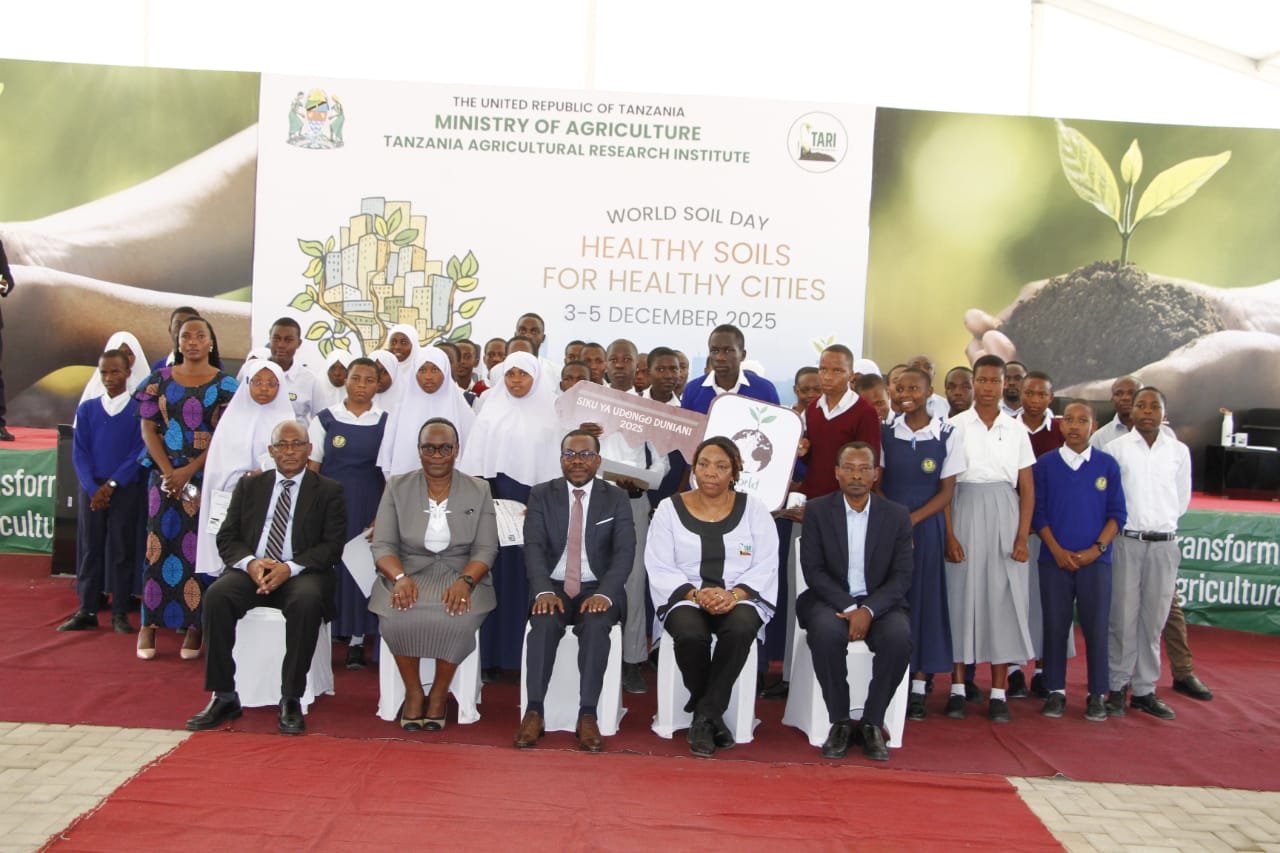
Organised by the Tanzania Agricultural Research Institute (TARI), the three- day forum was tailored for the national celebration of this year’s World Soil Health.
However, the timely event created a vital podium for the participants to delve on the existing challenges that thwarting performance of soil health sector in Tanzania, as well as mulling on viable ways to tackle them.
The viable ways, include acceleration of more funds towards the sector, conduction of more scientific research, dissermination of key technologies, and soil health testing facilities to the farmers across the country.
Speaking during the event, the Director General (DG) for TARI, Dr. Thomas Bwana informed that this year’s celebration focuses on urban landscapes with the theme “Healthy Soils for Healthy Cities.”
Reflecting the important of soil health preservation towards development of the agriculture sector, Dr Bwana said the state- owned Agricultural Research Institute was working in synch with diverse like- minded institutes, from public and private sector to implement an array of initiatives on soil health sector development
“TARI, in some of it centers has installed equipped laboratories for undertaking professional soil health testing. Together with that, we’re also conducting key soil health research in different parts of the country to support the farmers to boost their production and productivity,” he stated.
He briefed, soil health testing is vital as the exercise assists the farmers to understand the types of crops to be grown in their respective farming locations, seed variety and fertilizers to be applied, extent of water to be irrigated as well as other proper inputs necessary to be used.
Dr. Bwana spoke over the need for collective efforts to ensure for the rolling out of wider awareness and technologies on soil health to the farmers in Tanzania.
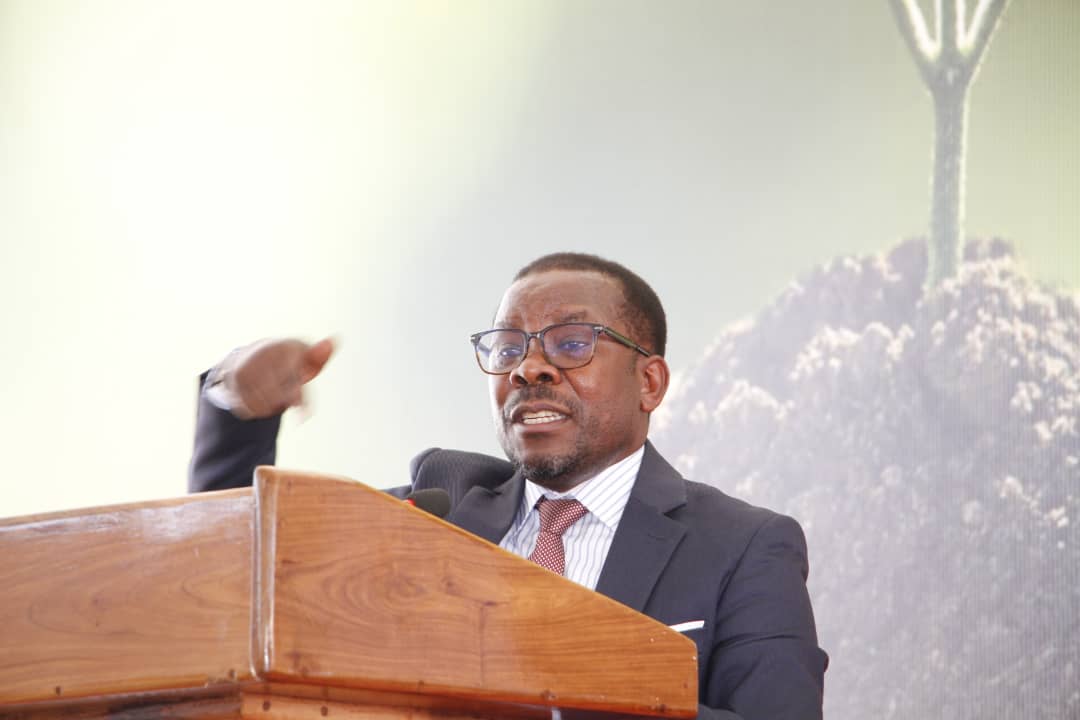
Dr. Steven Nindi
On hide side, the Deputy Permanent Secretary (PS) at the Ministry of Agriculture, Dr. Steven Nindi who graced the event unveiled that the government is planning to embark on implementation of nationwide strategy on soil health testing and preservation.
Dr. Nindi said the vision is to restore and maintain soil health across the country.
The envisaged strategy, according to him, will focus to strengthen soil health research, development and dissemination of cloud- connected technologies, drafting of helpful policies, as well as involvement of more actors in the sector.
He noted that healthier soil is a critical prerequisite for the smooth metamorphosis of the general requirements of the living cycle of human beings, thus a need for collective efforts to care for the sector.
Dr. Nindi added that overgrazing, unprofessional agronomic practices and deforestation stands among chief factors that continues to destroy soil health in Tanzania.
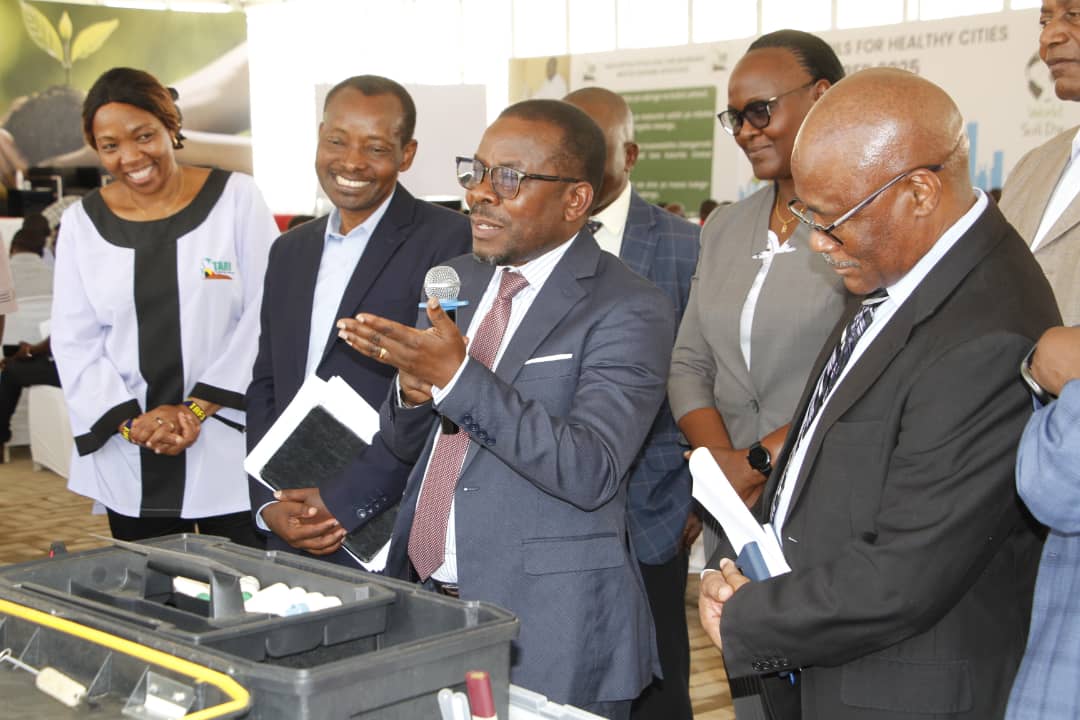
In order to curtail effects of climate change, soil erosion and drought as well as food insecurity, he said soil health conservation strategies must be prioritized.
“I am aware that several efforts on soil health have been implemented by the Ministry of Agriculture and it’s institutions around the country, but due to sensitivity of this sector, we have realized over the need to embark on a more impactful strategy,” he said.
According to him, the new initiative will expand involvement of more players, from both, private and public sector
“For instance, implemention of this strategy calls for the involvement of ministry of water, ministry of land, ministry of natural resources and tourism, ministry of minerals, and others from the private sector.
He tasked agricultural research institutions and individual pundits to develop different high- technological facilities on soil health testing in order to assist the farmers engaging into crops production sector.
He assured that the patent ministry will continue to set aside enough funds to support the performance of the sector, including disseminating of relevant skill and technologies to agricultural officers in all districts within the county, together with the soil health testing kits.

Prof. Peter Msoffe
On his side, the Deputy Permanent Secretary (PS) at the office of Vice- President Office ( Environment) Prof. Peter Msoffe said the soil health sector is vital for the flourishing of environment across the country.
He added, his office will working in cooperation with the ministry of agriculture and all stakeholders from the sector.
Dr. Asimwe Rwiguza, the Director of Grazing Land and Animal Feed Resources, in the Ministry of Livestock and Fisheries, on her side expressed that soil health was a necessary requirement for the production of livestock forages.
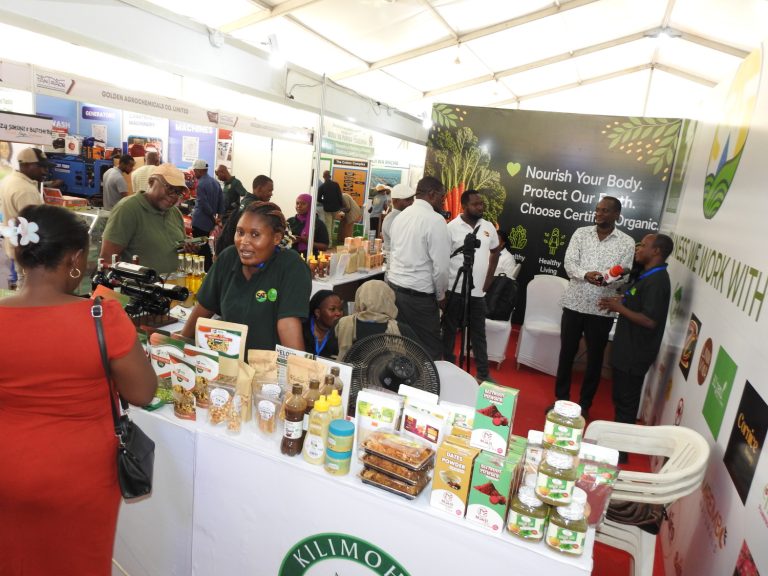
Organized by TARI, the forum attracted key stakeholders, including soil health researchers, directors from different agricultural – based institutions, farmers from across the country and students from secondary schools, to mention but a few.