

Tanzania, the third-largest sugar producer in East Africa, aims for self-sufficiency in sugar production by 2025, with sugarcane production concentrated in Morogoro, Kagera, and Kilimanjaro regions, and currently faces a gap between domestic demand and production.
By Senior Reporter VALENTINE OFORO
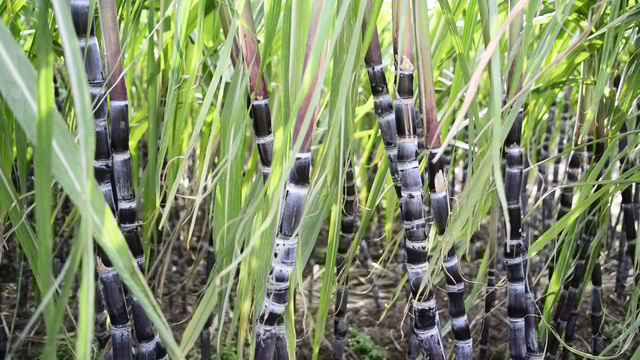
THE Tanzania Agricultural Research Institute (TARI), through its Kibaha- based center has organized constructive training to introduce the sugarcane farmers in Kilosa district, Morogoro region to high yielding seeds, and best agronomic practices for cultivating the perennial grass crop productively.
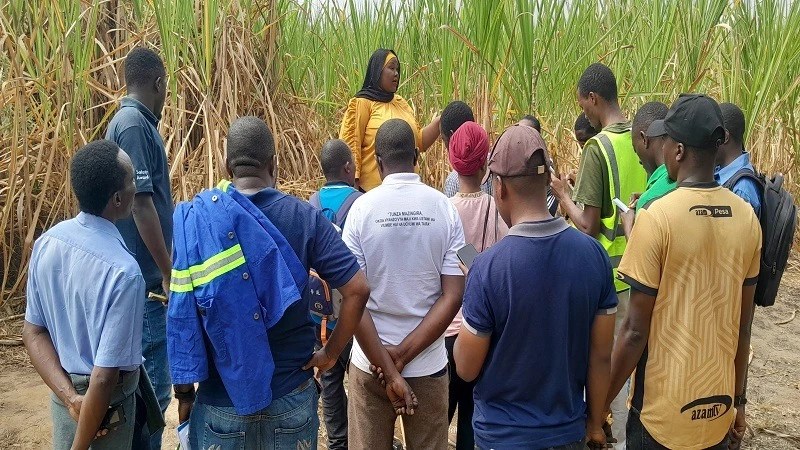
Over 30 sugarcane farmers, and at least seven agricultural officers from seven villages of Kilosa district are attending the vital clinic which focuses to increase sugarcane cultivation and strengthen the economy of individual farmers and the nation as a whole.
The villages in question include Mabana, Mateteni, Magole, Mkundi, Matongolo, Majambaa and Mambegwa.
The development is part of robust project for the production of good sugarcane seeds near the farmers.
The vital initiative commenced in the financial year 2023/2024 as a national strategy to address a challenge of shortage of quality sugarcane seeds in Tanzania, under financial care of the Government through the Ministry of Agriculture.
The project coordinator, Mr Ngabo Pamba, a Research Officer at the Department of Technology Transfer and Partnerships (DTTP) at TARI Kibaha informed that the workshop is being handled in sync with the Morogoro – based Mkulazi Holding Company.
The farmers picked for the training, according to him, are those operating under Agricultural Marketing Cooperative Society (AMCOS) and in possession of over one- acre of sugarcane potential growing land, and who are ready to become seeds producers, among others.
“In the implementation of this project, TARI Kibaha in partnership with the Mkulazi Holding Company (Factory) have established a special seed producing area, ‘Nursery A’, covering ten acres within Mkulazi factory’s farms in Kilosa district, Morogoro region,”
“The seeds produced in the nursery are tolerant to drought, pests and diseases and with high yielding potential,” Mr Pamba observed.

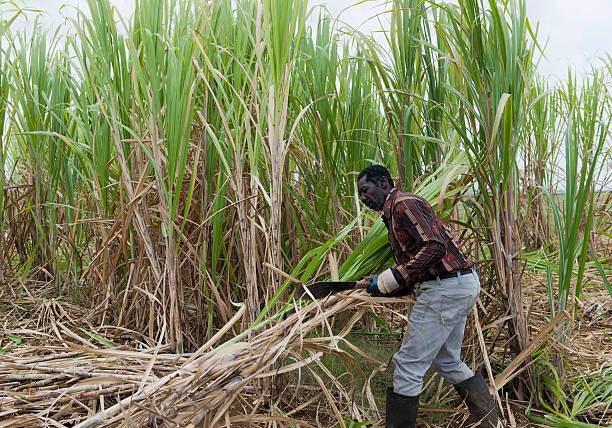


As part of the training’s practical package, Mr Pamba expressed that participants will make a special learning tour at the Mkulazi sugarcane seed estate.
“At the farm, the participants will practically learn a number of issues pertaining to professional growing of different seed varieties, as well as pest and disease,” he stated.
He added, the training which entails both theoretical and practical sessions, also targets to capacitate the involving farmers how professional to adopt and multiply the best and quality sugarcane seeds.
Shortage in production and availability of quality sugarcane seeds which produce high amounts of sugar, has been reported to have thwarted local factories and growers, something which pushes millers to import seeds from South Africa, India, Mauritius, Malawi and other countries.
To address the situation, the ministry of agriculture through TARI Kibaha has been putting in place positive initiatives to research the best and quality sugarcane seeds.
Among the efforts that have been implemented through cooperation with some sugar factories and farmers include establishment of a 400 hectares of seeds production farm at Kilombero basin.
Another effort is the establishment of seed nurseries at Mtibwa Sugar factory for small farmers along with Manyara Region where nurseries were established with the aim of eliminating the challenge of sugarcane seeds in the country.
ABOUT TARI KIBAHA
TARI Kibaha , previously known as Sugarcane Research Institute (SRI) Kibaha, was established in 1971 under the East African Community. It operated as the East Africa Sugarcane Breeding station because of its vicinity to the Dares Salaam International Airport, being convenient for introduction of sugarcane germplasm, and had good weather and ecology for attaining maximum sugarcane flowering, necessary for breeding. In 1989, Root Crops Research program started as a multi-locational site.
About The Author